
Most roof problems announce themselves through a short list of symptoms: a stain on the ceiling, a shingle in the yard, a drip during heavy rain, gritty granules piling up at the downspout or a roofline that no longer looks straight. Each one can point to very different causes depending on the roof’s age and the weather it has recently been through. In the Columbia, South Carolina area, that weather includes spring hail, summer thunderstorms with sudden straight line winds, tropical systems in late summer and fall, and long stretches of heat and humidity that age shingles faster than in cooler climates. Reading the symptom correctly separates a small repair from a claim or a replacement.
When a symptom needs a trained eye, homeowners looking for a trusted roofing company in Columbia | Northeast Columbia can call woodsroofingandremodeling.com, where owner Daniel Woods and his team offer free inspections across Columbia, Northeast Columbia, Irmo, Lexington, Chapin and Sumter. Storm damage gets same-day or next-morning tarping, and the team helps homeowners document damage and work through insurance claims before any repair plan is set. From a single missing shingle or leaking skylight to a full replacement with new gutters, fascia and soffit, one call to the office starts the process.
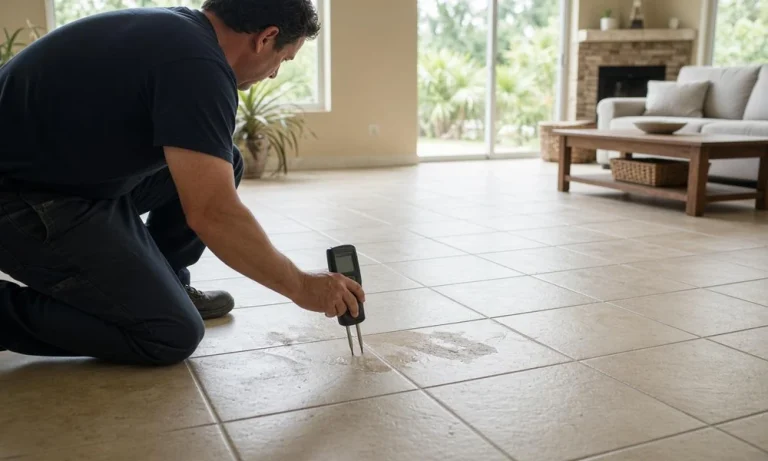
Ceiling and Wall Stains
What it looks like: Brown rings on drywall, often near a bathroom vent, chimney or exterior wall.
Storm scenario: A fresh stain after a hailstorm or high wind usually means a lifted shingle, a cracked pipe boot or wind driven rain pushed under flashing. The stain often appears several feet from the actual entry point because water runs along rafters and decking first.
Aging scenario: A slow stain that darkens over months usually traces to dried out rubber pipe boots, which commonly crack after years of Midlands sun, or to failing caulk at chimney and wall flashing.
Humidity scenario: Some stains are not roof leaks at all. Condensation from a poorly vented attic, or a bath fan venting into the attic instead of outside, can drip onto drywall during muggy summer nights.
Likely fix: Pipe boot replacement or flashing repair for most single stains. Ventilation correction if the attic shows widespread moisture on nail tips and sheathing.
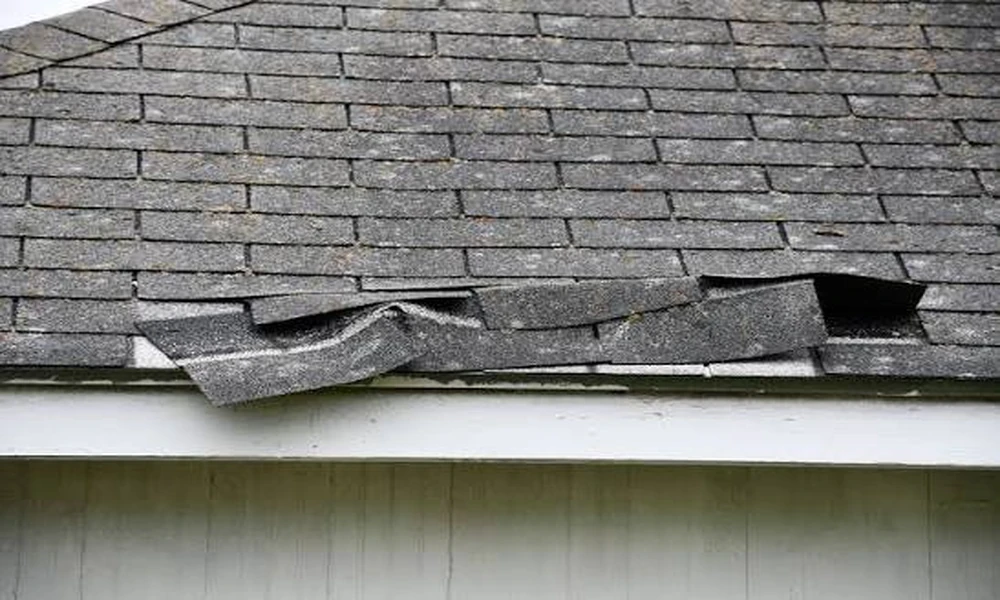
Missing or Creased Shingles
What it looks like: Bare patches, shingles in the yard or tabs folded back with a visible horizontal crease line.
Storm scenario: Straight line winds from summer thunderstorms and the outer bands of tropical systems lift tabs before the seal strip lets go. A creased shingle has lost its wind resistance even if it lies flat again afterward. Hurricane Helene’s winds across the Midlands in September 2024 left many roofs with this kind of hidden creasing.
Aging scenario: Older shingles lose their adhesive bond over time, so even moderate gusts can peel them away along rakes and ridges.
Tree scenario: Loblolly pines and water oaks shed limbs that crack shingles on impact and scrape granules along their path.
Likely fix: Matched shingle replacement for small areas on a younger roof. Widespread creasing or brittle shingles that crack when lifted usually point toward replacement, since repairs on a failing roof tend to cause new damage around them.
Active Leaks During Rain
What it looks like: Dripping, wet insulation or water running down a wall during or right after a storm.
Storm scenario: Puncture from hail or debris, torn underlayment beneath missing shingles or a broken skylight seal. Leaks that start right after a storm are urgent, and a properly battened tarp should go on within a day.
Aging scenario: Valleys are the usual suspects on older roofs. Pine needles and leaves collect there, hold moisture and slowly wear through the shingles beneath. Clogged gutters can also back water under the first course of shingles at the eaves.
Likely fix: Emergency dry-in first, then a repair to the exact entry point, which may include valley rework, skylight resealing or replacement, and clearing or rehanging gutters.
Granule Loss
What it looks like: Dark patches where shingles look smooth, or coarse sand collecting in gutters and splash blocks.
Storm scenario: Hail leaves dark circular bruises, often with granules knocked loose in a scattered pattern on the slopes facing the storm. A National Weather Service severe weather climatology for eastern South Carolina found severe hail reports concentrated in April, May and June, so a spring inspection is worth scheduling after any notable storm.
Aging scenario: Uniform granule wear across south and west slopes reflects years of UV exposure and heat. Columbia’s summer roof surfaces regularly get far hotter than the air, which speeds the breakdown of asphalt.
Not damage: Black streaks are usually algae, which thrives in humid climates. It is cosmetic, though it can hide wear underneath.
Likely fix: Hail bruising often supports an insurance claim, and adjusters typically mark test squares on each slope. Age related granule loss means the roof is near the end of its service life, and planning a replacement beats waiting for leaks.
Sagging Rooflines
What it looks like: A dip between rafters, a wavy ridge or soft spots underfoot.
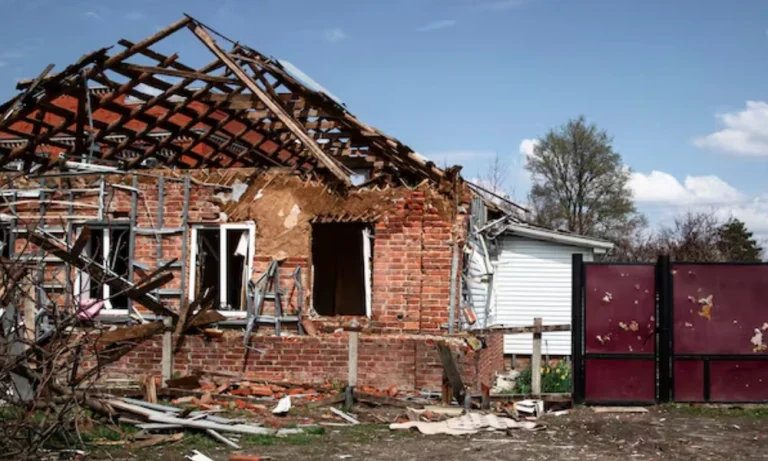
Storm scenario: A heavy limb or full tree strike can crack rafters or trusses even when the shingles look intact.
Aging scenario: Long term moisture from slow leaks or attic condensation rots the decking. Older homes sometimes carry two layers of shingles, adding weight the framing was never meant to hold.
Likely fix: Structural repair before reroofing, with rotted decking replaced sheet by sheet. Sagging should never wait for a convenient season.
Code and Permit Realities
Permits: Inside city limits, residential projects go through the City of Columbia, whose residential permit applications and project checklists also note extra requirements for homes in design, historic or flood districts. Much of Northeast Columbia sits in unincorporated Richland County, where the county building office handles permits instead.
Code minimums: South Carolina’s residential code is based on the International Residential Code. A replacement brings the roof up to current requirements for drip edge, underlayment, fastening and attic ventilation, even if the old roof never had them.
Timing: Summer installs seal quickly in the heat, but afternoon storms build fast, so crews generally start early and dry in each section before leaving.
Matching a symptom to its cause is less about guessing and more about context: how old the roof is, what weather passed through and where the water or wear actually starts. Catching a symptom early keeps a modest repair from turning into structural work.