
As summer temperatures climb, a reliable cooling system becomes essential for comfort and well-being in the home. Yet many homeowners find themselves battling warm rooms, strange noises from the vents, or unexpectedly high energy bills. These issues can disrupt sleep, reduce productivity, and even affect health if left unchecked. Understanding the root causes of home cooling problems is the first step towards regaining control. For residents in areas like Arlington, Washington, timely professional support, such as AC repair in Arlington, WA, can restore efficiency quickly and prevent minor glitches from escalating into costly breakdowns.
Common Causes of Home Cooling Problems
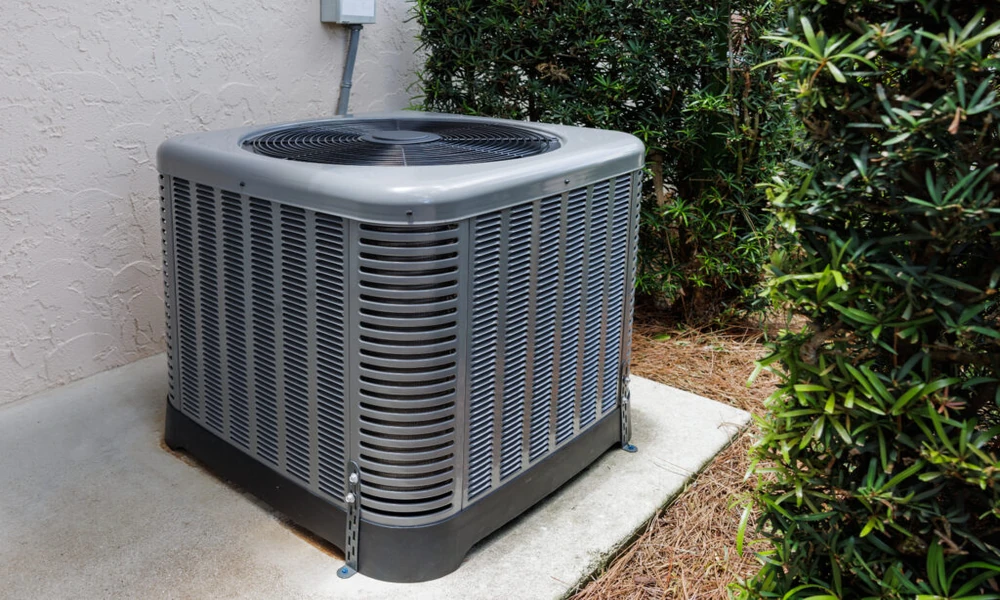
Home cooling systems, particularly central air conditioning and ductless units, work hard throughout the warmer months. Several factors can lead to underperformance. One frequent culprit is poor maintenance. Dust, dirt, and debris accumulate on filters, coils, and fins over time, restricting airflow and forcing the system to work harder. A clogged air filter alone can reduce efficiency by up to 15-20%, while neglected evaporator or condenser coils struggle to transfer heat effectively.
Refrigerant leaks represent another serious issue. Refrigerant is the lifeblood of an air conditioning system, absorbing and releasing heat as it cycles through the unit. Low levels often stem from small leaks in coils or connections, causing the system to blow warm air or freeze up. Unfortunately, simply adding more refrigerant without fixing the leak provides only temporary relief and can damage the compressor over time.
Ductwork problems also plague many homes. Leaks, poor insulation, or blockages in the ducts mean cooled air never reaches its destination. In older properties, ducts may have become disconnected or crushed during renovations, leading to uneven cooling across rooms. Electrical faults, thermostat malfunctions, and aging components further compound difficulties, especially in systems over ten years old.
External factors play a role too. In regions with hot, humid summers, oversized or undersized units struggle to maintain consistent temperatures. Poor home insulation, unsealed windows, and excessive sunlight through south-facing glazing can overwhelm even well-maintained equipment.
Effective Solutions for Cooling Issues
Addressing cooling problems promptly saves money and extends the lifespan of your system. Begin with simple checks. Replacing or cleaning air filters monthly during peak season often yields immediate improvements in airflow and cooling capacity. For deeper issues, professional diagnosis is invaluable.
When refrigerant levels are low, certified technicians locate and repair leaks before recharging the system to manufacturer specifications. This approach ensures safety and compliance with environmental regulations concerning refrigerants. In cases of duct issues, experts use Specialized cameras and sealing techniques to restore efficiency without invasive demolition.
For failing components, timely repairs or replacements matter. A faulty capacitor or compressor can be addressed individually in many instances, avoiding the need for a full system swap. Modern variable-speed and inverter-driven units also offer significant upgrades in efficiency and quiet operation for those considering long-term solutions.
In the Pacific Northwest and similar climates, heat pumps or hybrid systems sometimes provide better year-round performance than traditional air conditioning alone. Professional installers can assess your home’s specific needs, insulation levels, and usage patterns to recommend the most suitable option.
If your system is struggling noticeably, seeking expert AC repair in Arlington, WA, ensures work is completed to high standards using quality parts. Local technicians understand regional weather patterns and common installation challenges, delivering tailored fixes that last.
Prevention Tips to Keep Your System Running Smoothly
Prevention is far more cost-effective than emergency repairs. Establish a regular maintenance schedule with a trusted HVAC provider. Annual professional tune-ups before summer typically include cleaning coils, checking refrigerant levels, testing electrical connections, and calibrating thermostats. These visits catch small problems before they become expensive failures.
Homeowners can contribute to daily habits that support system health. Keep vents and registers clear of furniture, rugs, and curtains to maintain proper airflow. Use ceiling fans to circulate air, allowing the thermostat to be set a few degrees higher without sacrificing comfort. Programmable or smart thermostats further optimize runtime by adjusting temperatures based on occupancy and time of day.
Improve your home’s thermal envelope through simple upgrades. Adding weatherstripping to doors and windows, installing reflective window film, and ensuring adequate attic insulation all reduce the cooling load. Shade trees or awnings on the sunnier sides of the house also help minimize heat gain.
Monitor your system’s performance. Unusual sounds, frequent cycling, or rising energy bills often signal developing issues. Address them early rather than waiting for complete failure during a heatwave. Consider whole-house dehumidification if humidity levels remain high despite cooling, as excess moisture makes the air feel warmer and strains the system.
Finally, replace aging units proactively. Most central air conditioners last 10-15 years with proper care. Investing in a high-SEER-rated model with advanced features such as two-stage compression can deliver substantial long-term savings on energy bills while providing more consistent comfort.
Conclusion: Stay Cool and Comfortable Year After Year
Home cooling problems need not spoil the pleasures of summer. By understanding common causes-from dirty filters to refrigerant leaks-and applying practical solutions, homeowners can maintain reliable performance. Consistent prevention through maintenance, smart habits, and occasional professional support ensures your system delivers efficient, quiet cooling when you need it most.
Taking action early not only protects your investment but also improves indoor air quality and reduces environmental impact through lower energy consumption. Whether troubleshooting a minor issue or planning a full upgrade, professional guidance makes the process straightforward and effective. A comfortable home is well within reach with the right knowledge and timely care.