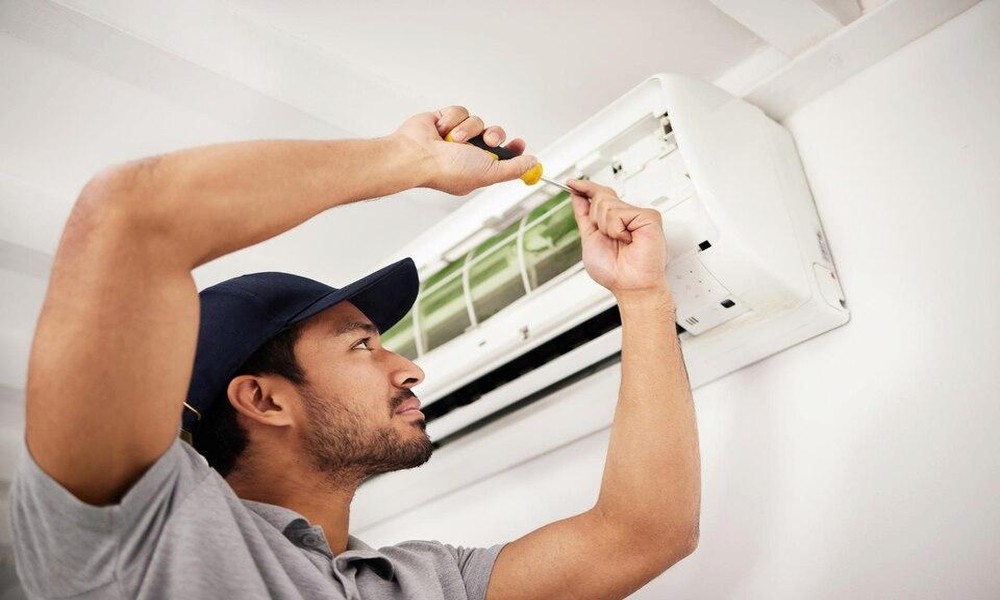

Air conditioning problems can quickly turn a comfortable home into an uncomfortable and expensive environment if they are ignored for too long. Many homeowners overlook early warning signs such as weak airflow, unusual noises, rising energy bills, warm air, or inconsistent cooling, assuming the issues will resolve themselves. In reality, these symptoms often point to deeper HVAC system problems that can lead to costly repairs, reduced energy efficiency, poor indoor air quality, and complete system breakdowns.
Experienced AC repair experts often recommend addressing these issues early to prevent larger system failures and avoid unnecessary expenses. From refrigerant leaks and thermostat malfunctions to clogged filters and compressor failures, recognising these warning signs early can improve system performance, lower cooling costs, and extend the lifespan of residential air conditioning systems. Proper maintenance and timely HVAC repair services remain essential for keeping homes cool, energy-efficient, and comfortable throughout the year.
Weak or Inconsistent Airflow
Poor airflow is one of the most noticeable signs that something is wrong with an air conditioning system. Some rooms may feel cooler than others, while certain areas receive very little air from the vents. In severe cases, the system may run constantly without properly cooling the home.
Several problems can cause weak airflow, including clogged air filters, damaged ductwork, blocked vents, or failing blower motors. Dirty filters are often the simplest issue to fix, but if airflow problems continue after replacing the filter, the system may require professional inspection.
Ignoring weak airflow forces the air conditioner to work harder than necessary. Over time, this increases energy consumption and places additional strain on important components.
Unusual Noises Coming From the Unit
Air conditioners naturally produce some operational sound, but loud or unusual noises should never be ignored. Banging, rattling, squealing, grinding, or buzzing noises often point to mechanical problems developing inside the system.
Different sounds can indicate different issues:
- Grinding may suggest motor bearing problems
- Banging could signal loose or broken internal parts
- Buzzing sometimes points to electrical issues
- Squealing may indicate belt or fan motor problems
These sounds rarely disappear on their own. Continuing to run the system while components are damaged can worsen the problem and increase repair costs significantly.
Warm Air Instead of Cool Air
An air conditioner that blows warm or room-temperature air is clearly not functioning correctly. This issue can occur even while the system appears to be running normally.
Several factors may be responsible, including:
Refrigerant Leaks
Low refrigerant levels reduce the system’s ability to cool air effectively. Refrigerant leaks not only affect performance but can also damage the compressor if ignored for too long.
Thermostat Problems
Incorrect thermostat settings, faulty sensors, or outdated thermostats may prevent the system from cooling properly.
Compressor Issues
The compressor plays a critical role in the cooling process. If it begins to fail, the system may struggle to produce cold air consistently.
Warm air problems should be addressed quickly, especially during periods of heavy summer use when the system is already under strain.
Frequent Cycling On and Off
Air conditioning systems naturally cycle on and off throughout the day. However, if the unit starts switching on and off much more frequently than normal, this usually indicates a problem known as short cycling.
Short cycling can be caused by several issues, including:
- Dirty condenser coils
- Oversized air conditioning units
- Thermostat malfunctions
- Electrical problems
- Refrigerant imbalances
Frequent cycling places unnecessary wear on the system and increases electricity usage. It can also shorten the overall lifespan of the equipment if left unresolved.
Rising Energy Bills Without Explanation
A sudden increase in energy bills often points to declining HVAC efficiency. Many homeowners notice higher utility costs before they notice obvious performance problems.
When an air conditioner struggles to operate properly, it uses more energy to achieve the same cooling results. Dirty coils, clogged filters, refrigerant issues, and ageing components all contribute to reduced efficiency.
Older systems naturally become less efficient over time, but sharp increases in operating costs usually suggest that maintenance or repairs are needed. Monitoring energy usage can help homeowners identify problems before major breakdowns occur.
Excess Moisture or Water Leaks
Air conditioners remove moisture from indoor air as part of the cooling process, but visible leaks or excess condensation around the unit are not normal.
Water leaks may result from:
- Blocked condensate drain lines
- Frozen evaporator coils
- Cracked drain pans
- Pump malfunctions
In some cases, homeowners may mistake refrigerant leaks for water leaks, which can be more serious. Moisture problems should never be ignored because they can lead to mould growth, water damage, and reduced indoor air quality.
Regular maintenance helps prevent drainage issues and keeps the system operating safely and efficiently.
Bad Odours Coming From Vents
Unpleasant smells from air vents often indicate hidden problems within the HVAC system. Musty odours may suggest mould or mildew growth inside ductwork or near the evaporator coil. Burning smells could point to overheating electrical components.
Common odours include:
- Musty smells from excess moisture
- Burning odours from electrical issues
- Rotten smells caused by biological growth
- Chemical-like smells linked to refrigerant problems
Persistent odours should be investigated promptly. Beyond affecting comfort, they may signal issues that impact both system safety and indoor air quality.
Why Early Repairs Matter
Many homeowners delay air conditioning repairs because the system still appears to function partially. Unfortunately, HVAC systems rarely improve without intervention. Minor problems often place extra strain on surrounding components, leading to more extensive damage over time.
Addressing issues early offers several advantages:
Preventative maintenance and timely repairs also help homeowners avoid unexpected breakdowns during periods of extreme heat when HVAC companies are often busiest.
Conclusion
Ignoring common air conditioning problems can lead to higher energy bills, reduced cooling performance, poor indoor comfort, and expensive HVAC repairs over time. Warning signs such as strange noises, weak airflow, water leaks, short cycling, and warm air often indicate underlying issues that should be addressed as early as possible. A properly functioning air conditioning system not only improves indoor comfort but also supports better energy efficiency, cleaner indoor air, and more reliable long-term performance.
Regular inspections, preventative maintenance, and fast professional repairs help homeowners avoid unexpected breakdowns during periods of extreme heat. By responding quickly to early HVAC warning signs and maintaining the system properly, homeowners can protect their investment, extend equipment lifespan, and ensure their air conditioning system continues operating efficiently and reliably throughout every season.