
Moving to Pune for work often becomes a person’s first real experience of living alongside people from completely different parts of India. A Malayali engineer shares a kitchen with a Gujarati analyst. A Bengali designer explains Durga Puja traditions to a Punjabi product manager. Someone hears Telugu, Marathi, Hindi, and Tamil in the same hallway before breakfast.
That cultural overlap is one of the defining realities of modern coliving in Pune.
Unlike traditional PGs, where residents mostly stay isolated inside rooms, shared living spaces around Hinjewadi, Wakad, and Kharadi create repeated interaction between professionals who would probably never meet otherwise. But the experience is not always as effortless or idealistic as social media makes it appear.
The Reality of Shared Living in Pune
Pune’s IT and startup ecosystem pulls professionals from almost every state in India. Large companies like Infosys, TCS, and Wipro continuously relocate employees into the city, especially around western IT corridors.
That means a typical coliving in Pune may include:
- Multiple languages spoken across one floor
- Different eating habits and sleep schedules
- Fresh graduates alongside experienced professionals
- Introverts sharing spaces with highly social roommates
The diversity feels exciting initially, but adjustment takes time. Someone’s late-night work calls become another person’s sleep problem. Food smells from shared kitchens trigger disagreements. Cleanliness standards vary dramatically between residents raised in different environments.
The real expectation in coliving is not perfect compatibility. It is learning how to coexist with differences without turning every inconvenience into conflict.
How Shared Spaces Actually Shape Cultural Exchange
Most cultural exchange in coliving in Pune happens through ordinary repetition, not organised activities.
It happens when:
- Residents end up discussing hometowns during dinner
- Someone teaches others regional slang or phrases
- Weekend cricket matches turn strangers into friend groups
- One resident introduces others to Onam sadya or Bengali sweets during festivals
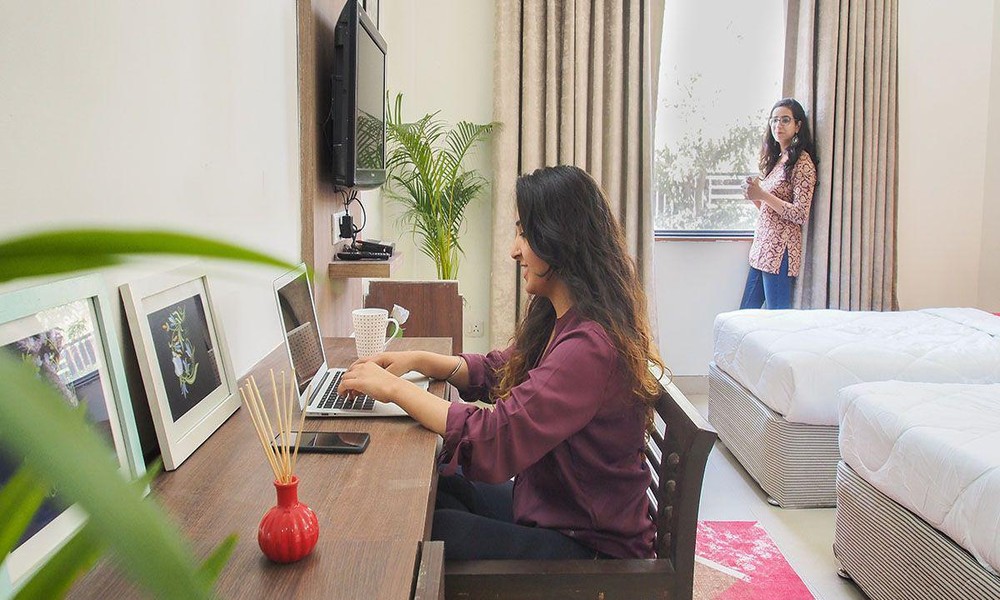
Shared lounges, kitchens, terraces, and workspaces create small repeated interactions that slowly reduce social distance.
This matters especially for newcomers relocating alone. Many young professionals experience loneliness during their first few months in Pune despite constantly being surrounded by people at work. Shared living environments create low-pressure social familiarity that independent apartments often lack. At the same time, social energy can become exhausting, too.
Not everyone wants community every day. Some residents prefer quiet routines after work and may struggle with constant interaction, noise, or overlapping social circles. Community fatigue is real in large co-living environments, especially for people balancing stressful work schedules.
The best coliving in Pune usually works because they allow both interaction and personal boundaries to coexist.
The Unexpected Benefits of Living with Difference
Over time, multicultural living creates skills people rarely notice immediately.
Professionals become better at:
- Navigating different communication styles
- Adjusting to unfamiliar food and routines
- Handling conflict diplomatically
- Working with people outside their social comfort zone
Those skills translate surprisingly well into modern workplaces, especially in startups, consulting firms, and client-facing tech roles where cross-cultural collaboration is constant.
Many residents also build professional networks unintentionally. The flatmate working at a SaaS startup may later refer you for a role. Someone from another city may help you understand relocation realities elsewhere in India.
What starts as shared accommodation often becomes long-term professional and personal networks.
Making Shared Living Sustainable
People who thrive in coliving in Pune usually approach it with realistic expectations.
A few things help significantly:
Most importantly, understand that shared living is not designed for everyone. Professionals prioritising complete privacy, personalised routines, or quieter lifestyles may eventually prefer independent apartments despite the extra cost and effort.
But for many people in their twenties, especially those new to Pune, co-living becomes more than just affordable housing. It becomes their first real exposure to how diverse, chaotic, adaptive, and interconnected urban Indian life actually is. And that experience tends to stay with people long after they move out.