
Repair Misted Double Glazed Units Without Replacement in the UK
Many houses across Britain feature double glazing to improve comfort and cut energy bills. This popular solution for windows creates a vital thermal barrier.
The system works by bonding two panes of glass with a spacer bar. A hot melt adhesive seals the edges, trapping dry air or special gas inside. This clever design significantly boosts a home‘s insulation.
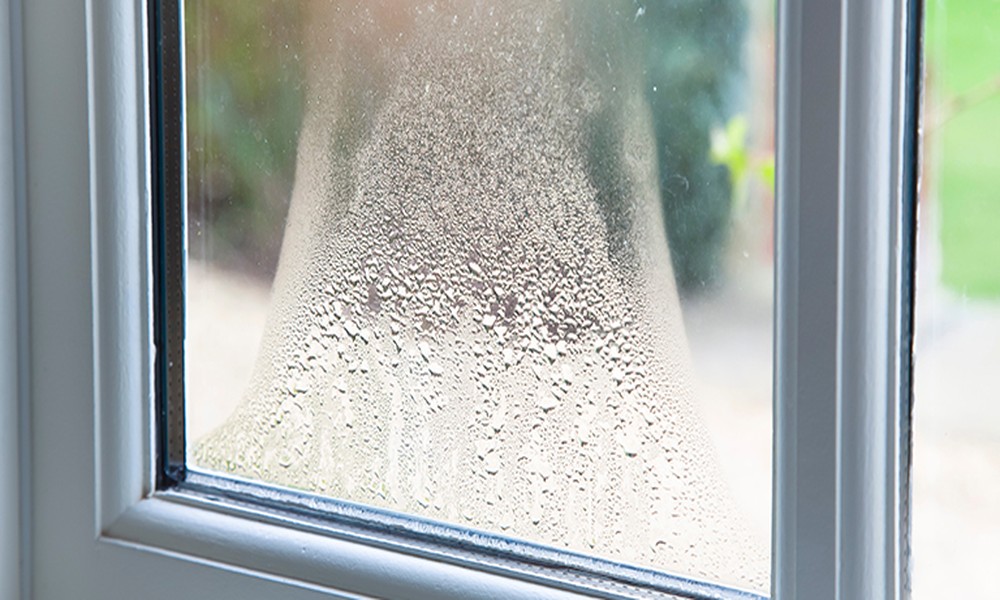
Unfortunately, the seal can degrade over time. When this happens, moisture enters the gap. This leads to the familiar problem of condensation forming permanently between the panes.
This misting causes blurred views and reduces thermal efficiency. For homeowners, it presents both a visual annoyance and a functional issue. The good news is that a complete replacement is often avoidable.
This guide explores practical repair strategies. It explains why seals fail and details the available options. Readers will learn how to assess their windows and make an informed choice.
Key Takeaways
- Understand the basic construction of modern double glazing and how its seals can fail.
- Recognise that persistent internal condensation indicates a failed unit, not just high humidity.
- Discover that a full window exchange is not the only solution for misted glazing.
- Learn how to evaluate whether a DIY approach is suitable for your specific situation.
- Gain insight into professional repair techniques used to restore clarity and performance.
- Compare the potential cost savings of repair against the price of new units.
- Acquire knowledge on long-term maintenance to protect your investment.
Understanding Misted Double Glazing and Its Causes
Condensation trapped between glass layers signals a fundamental failure in the window’s construction. This issue, often called misting, occurs when the airtight seal around the glass panes breaks down.
How Seals Fail in Double Glazing
The seal is created using a hot melt adhesive and a drying agent. Over years, it can degrade. Several factors accelerate this process:
- The natural ageing of the window frame.
- Faults from the original manufacturing process.
- Stress from incorrect installation.
- Damage from harsh chemical cleaners.
This breakdown lets external moisture and air seep into the gap between the two panes.
Identifying Misted and Condensation Issues
Condensation forms when water vapour turns to liquid on a cold surface. Its location is key. Moisture on the room-side glass suggests poor ventilation.
Condensation on the outside surface is normal and shows the double glazing is working. Persistent fog between the panes, however, confirms seal failure.
This internal condensation cannot be wiped away. It also means any insulating gas has escaped, reducing the unit‘s thermal performance.
Impact of Misted Windows on Energy Efficiency
A misted window is more than an eyesore; it’s a drain on household finances and comfort. The primary issue is a broken seal, which allows the insulating gas to escape. This leaves ordinary air between the panes, offering far less thermal resistance.
The energy efficiency of the entire home is compromised. Warm air leaks out, and cold draughts seep in. Your heating system must then work much harder to maintain a constant temperature.
Higher Heating Bills Explained
This constant battle against heat loss has a direct monetary cost. Systems run for longer periods and consume more fuel. Consequently, monthly energy bills can rise significantly.
During colder months, the problem intensifies. The greater temperature difference forces even more energy transfer through the faulty windows. Addressing this before winter is crucial to avoid wasted expenditure.
Loss of Insulation and Home Comfort
The loss of effective insulation creates noticeable cold spots near affected windows. This can lead to secondary condensation on interior walls and surfaces. Overall home comfort diminishes as rooms feel draughty and unevenly heated.
The table below summarises the key performance differences between functional and failed double glazed units.
|
Performance Aspect |
Functional Double Glazing |
Failed Seal Glazing |
|
Thermal Resistance (U-value) |
High (e.g., 1.6 W/m²K) |
Low (e.g., 3.0+ W/m²K) |
|
Heat Loss Rate |
Minimal |
Substantially Increased |
|
Impact on Heating Bills |
Optimal, low cost |
Can increase by 15-25% |
|
Indoor Comfort Level |
Consistent, draught-free |
Cold spots, draughts present |
This degradation not only raises costs but also increases a property’s carbon footprint. Restoring the seal recaptures lost efficiency and comfort.
fixing misted double glazed units without full replacement UK
When condensation appears permanently between the glass, many assume the entire window assembly is at fault. This is a common misconception. The problem usually lies solely with the sealed glass unit, not the surrounding frame.
If the frame remains sound, only the insulated pane requires attention. This targeted approach avoids unnecessary window replacement. It offers significant cost savings compared to installing completely new windows.
Two main professional repair strategies exist. The first involves drilling a tiny hole. A drying agent is injected to absorb moisture. This method carries risk and rarely includes a guarantee.
The second, recommended technique is complete glass unit exchange. The old pane is removed from the frame. A new, properly sealed unit is installed in its place.
The table below contrasts these approaches for misted double glazing.
|
Repair Method |
Process |
Key Benefits |
Typical Warranty |
|
Complete Unit Exchange |
Remove failed unit; install new sealed pane |
Addresses root cause; restores full performance |
5-10 years |
|
Drilling & Injection |
Drill hole; inject desiccant; seal hole |
Lower immediate cost; minimal disruption |
Often none |
The size and location of the affected window influence the best choice. Larger or hard-to-reach units often benefit more from complete exchange.
This professional repair preserves existing frames and minimises property disruption. It delivers a long-term solution with guaranteed clarity and thermal efficiency restored.
DIY Approaches Versus Professional Repairs
Homeowners facing foggy panes often confront a critical decision: attempt a DIY fix or call in a professional. Online guides may suggest inexpensive, do-it-yourself solutions for this common issue. However, these methods carry significant risks that can outweigh any short-term savings.
Risks and Limitations of DIY Methods
Attempting a self-repair on windows above ground level poses serious safety hazards. Proper access equipment is essential. Inexperienced handling can also cause permanent damage to the glass or frame.
Removing seals without knowledge may leave panes loose and unsafe. Furthermore, any existing manufacturer warranty becomes void. DIY moisture kits often provide only a temporary solution, as the root cause remains.
Benefits of Expert Intervention
Hiring a specialist ensures the job is done safely and correctly the first time. Professionals possess the right tools and expertise to diagnose the exact problem. They execute the work to industry standards.
This approach typically includes a guarantee on the repair, offering long-term peace of mind. It addresses the core problems to prevent a quick recurrence. Considering potential mistakes and future costs, expert work often proves more economical.
A professional can assess the entire unit and inside windows for other faults. This comprehensive service restores clarity and performance efficiently, saving homeowners considerable time and hassle.
The Role of Window Frames and Seals
The long-term performance of any insulated glazing system relies on two core components working in harmony. The frame provides essential structural support, while the seal creates the vital hermetic barrier. This partnership prevents moisture and air infiltration between the glass panes.
Inspecting Frame Integrity
A thorough check of the window surround is an essential first step. Frames in poor condition cannot properly support new glazing. Modern uPVC or aluminium frames often remain sound for decades.
Timber, however, requires regular maintenance to prevent rot and warping. This damage can directly compromise the primary seal.
Small gasket seals play an outsized role. Made from rubber or foam, they sit between the frame and the sash. Their job is to create an airtight, weathertight secondary barrier.
Over time, exposure to heat, cold, and moisture can cause these gaskets to harden or perish. When this happens, external dampness can reach the primary seal of the glass unit.
Even a perfect pane can fail prematurely if its supporting structure is compromised. A professional assessment examines all these elements to ensure a lasting solution.
Benefits of Timely Maintenance and Seal Replacement
Investing in timely window maintenance yields significant financial and environmental returns. Proactive care prevents the gradual failure that leads to problems like misted panes.
This approach safeguards your home‘s comfort and value. It is a financially prudent strategy that avoids larger future costs.
Enhancing Energy Efficiency
Replacing perished seals restores the original thermal performance of double glazed windows. This directly improves your home‘s energy efficiency.
Heating systems work less, reducing monthly bills. Studies suggest savings can reach 25% compared to failed units. A lower carbon footprint is a valuable secondary benefit.
Boosting Property Value
Well-maintained glazing enhances a property’s appeal to buyers. Foggy or degraded windows can signal neglect, potentially lowering offers.
Addressing seal issues protects your property’s market value. It demonstrates overall care, which is a key factor for prospective purchasers.
|
Consideration |
With Timely Maintenance |
With Neglected Seals |
|
Energy Bills |
Optimised, lower cost |
Increased by 15-25% |
|
Property Appeal |
High, indicates care |
Reduced, suggests neglect |
|
Long-term Cost |
Low, preventative |
High, remedial work needed |
|
Warranty Coverage |
Often 5-15 years |
Typically void or expired |
The cost of seal replacement is modest compared to fitting new windows. Many manufacturers guarantee their products for up to 15 years, making a warranty check a wise step.
Expert Repair Solutions from Window Doctor UK
For homeowners seeking a lasting solution, expert assessment and quality installation are key. Professional services address the root cause of foggy panes with precision. They restore both clarity and thermal performance effectively.
Choosing the Right Repair Service
Selecting a reputable specialist requires careful evaluation. Look for companies that supply and install double glazed glass units to strict British Standards. A long-term guarantee, often up to ten years, demonstrates confidence in the replacement.
Obtaining multiple quotes is a wise step. The final cost can vary based on several factors. These include the size of the affected unit, the type of window frame, and its location.
This process allows for comparison of service scope and warranty terms. It also presents an opportunity. During the glazing repair, you can upgrade to A-rated energy-efficient glass.
This upgrade enhances insulation and can lower heating bills. It is a smarter investment than opting for new windows when the frame is sound. For comprehensive assessment and a detailed quote, consulting experts like Window Doctor UK is recommended.
Insights and Tips from Window Doctor
Condensation patterns offer valuable information about your home’s environment and window health. Expert insight from Window Doctor helps homeowners distinguish between common issues and serious failures, applying the correct solution every time.
Preventative Measures for Long-Term Savings
Condensation inside the room, forming on the interior pane, signals excess humidity. This is often caused by cooking, bathing, or drying clothes indoors.
Improving ventilation is key. Open windows briefly each day or use trickle vents. This reduces moisture levels and protects the window seals.
Regular maintenance is also crucial. Clean frames and check gaskets to prevent dirt and damp from attacking the seals. For any installation job, always hire qualified, accredited fitters.
|
Condensation Location |
What It Means |
Recommended Action |
|
On the room-facing pane |
High moisture in the room; ventilation issue |
Increase air flow via vents or open windows |
|
Between the glass panes |
Failed seal; misted double glazing |
Seek professional glass unit replacement |
|
On the outside surface |
Normal; indicates efficient insulation |
No action required |
Understanding these differences enables proactive care, preventing minor issues from becoming expensive repairs.
Conclusion
Understanding the root cause of seal failure empowers homeowners to make smart choices. Misted glazing is a common issue, but it is entirely manageable.
The most reliable solution is professional glass unit exchange. This work restores clarity and insulation without needing new windows. It typically comes with a strong warranty.
Homeowners should obtain several quotes from qualified specialists. Comparing services ensures quality and value. Addressing problems promptly protects your home‘s comfort and efficiency.
With proper care, your double glazed units can perform well for years. Clear panes and a warm home are the rewarding result.
FAQ
What causes condensation to form inside a double glazed window?
This issue, often called a misted unit, occurs when the seal between the two panes of glass fails. This allows moisture-laden air from the room to enter the space between the panes. When the temperature changes, this moisture condenses on the inside of the glass, creating a permanent cloudy appearance that cannot be wiped away.
How do misted panes affect my home’s energy bills?
Misted panes significantly reduce the thermal performance of the window. The trapped moisture and compromised seal degrade the insulating gas layer, allowing heat to escape more easily. This forces your heating system to work harder to maintain a comfortable temperature, leading to noticeably higher energy costs over time.
Can a misted glass unit be repaired without installing a brand-new window?
Yes, in many cases. A professional service can often replace just the failed sealed unit while keeping the existing window frame intact. This process is typically quicker and more cost-effective than a full window replacement, resolving the condensation problem and restoring clarity and insulation.
Is attempting a DIY repair on a misted window advisable?
It is generally not recommended. DIY methods rarely address the core seal failure and can risk damaging the glass or frame. A professional glazier has the correct tools and expertise to safely remove the old unit, ensure the frame is sound, and install a new, guaranteed sealed unit for a lasting solution.
Why is the condition of the window frame important when repairing the glass?
The frame’s integrity is crucial for the long-term success of the work. During an inspection, a specialist will check for warping, damp, or damage that could compromise the new unit’s seal. Addressing any frame issues ensures optimal performance, prevents future problems, and maximises the improvement in your home’s energy efficiency.
What are the benefits of promptly repairing a misted sealed unit?
Timely action restores the view and natural light, improves your home’s thermal insulation to reduce heating costs, and prevents potential secondary issues like mould growth on internal reveals. It also helps maintain your property’s aesthetic appeal and value, as well-kept windows are a key feature for potential buyers.