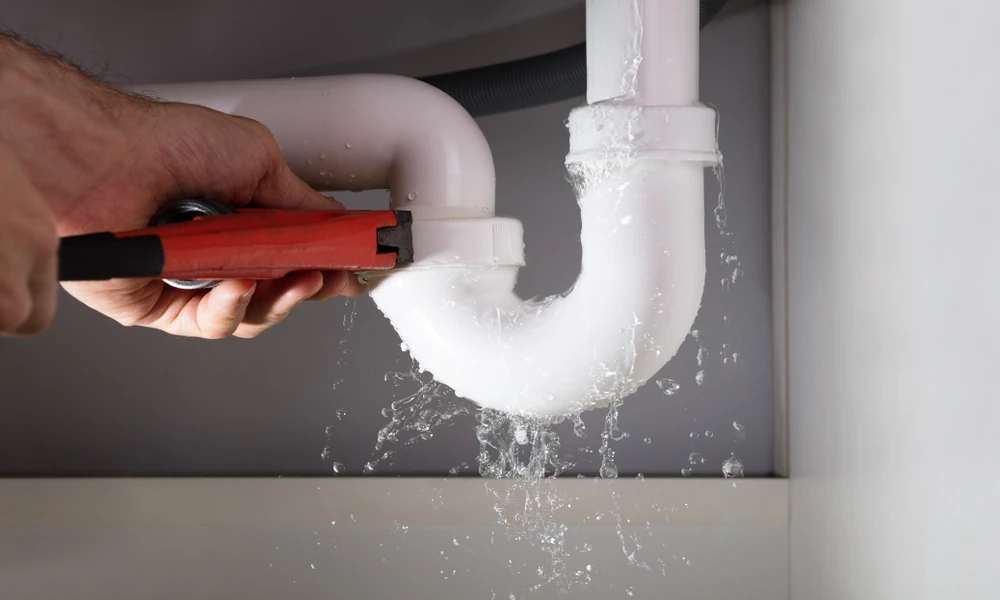

Water leaks are among the most common plumbing problems homeowners face, but they are also some of the easiest to overlook. A small drip beneath a sink or a faint stain on the ceiling may not seem urgent at first. However, even a minor leak can cause damage when it continues unnoticed. Knowing the common causes of leaks and having access to reliable plumbing support in Canandaigua, NY can help homeowners respond before a small problem becomes a much larger one.
Leaks can happen in almost any part of a home’s plumbing system. Some are caused by worn fixtures or loose connections, while others result from aging pipes, high water pressure, freezing temperatures, or hidden damage. Understanding what to watch for is an important part of protecting your home.
Why Water Leaks Shouldn’t Be Ignored
Water naturally follows the path of least resistance. When it escapes from a pipe, fitting, appliance, or fixture, it can travel into areas that aren’t immediately visible.
A leak beneath a kitchen sink, for example, may gradually soak the cabinet and flooring. A leaking pipe inside a wall may cause moisture to spread through drywall and insulation before a visible stain appears.
The longer water remains where it shouldn’t be, the greater the potential for damage. Persistent moisture can affect wood, drywall, flooring, cabinetry, and other building materials. It can also create conditions that encourage mold growth.
This is why addressing a leak early is generally much easier than dealing with the consequences of prolonged water exposure.
Common Causes of Household Water Leaks
Worn or Damaged Plumbing Connections
Plumbing systems rely on numerous joints, fittings, valves, and connections. Over time, these components can loosen, deteriorate, or develop small gaps that allow water to escape.
Connections beneath sinks and around toilets are particularly worth checking when you notice moisture. A small leak around a fitting may initially produce only a few drops, but repeated exposure can eventually damage surrounding surfaces.
Changes in temperature can also cause plumbing materials to expand and contract, potentially placing additional stress on connections over time.
Aging Pipes
Older plumbing systems can become more vulnerable to leaks as pipes deteriorate. Corrosion, mineral buildup, and general wear can weaken certain sections of a plumbing system.
The condition of the pipes depends on factors such as their material, age, water quality, and installation. In some cases, a leak can be repaired by replacing a damaged section. If problems are occurring repeatedly throughout an older system, however, a broader plumbing assessment may be worthwhile.
High Water Pressure
Water pressure that is too high can place unnecessary stress on plumbing components. Pipes, fixtures, valves, and appliance connections all have limits, and excessive pressure can contribute to premature wear.
High pressure isn’t always obvious. If faucets seem unusually forceful, appliances develop leaks repeatedly, or plumbing fixtures make unusual noises, water pressure may be worth checking.
A professional can measure the pressure and determine whether it falls within an appropriate range for the home’s plumbing system.
Frozen Pipes
Freezing temperatures can create serious plumbing problems. When water inside a pipe freezes, it expands and can place significant pressure on the pipe walls.
A pipe may crack or split during freezing conditions and then begin leaking when temperatures rise and the water thaws.
Pipes located in unheated areas, such as garages, crawl spaces, basements, and exterior walls, can be particularly vulnerable during cold weather. Proper insulation and maintaining appropriate indoor temperatures can help reduce the risk.
Leaking Fixtures
Faucets, toilets, showerheads, and other plumbing fixtures can develop leaks as their internal components wear out.
A dripping faucet may be caused by a worn washer, cartridge, seal, or another component. A toilet may leak because of a faulty valve, damaged seal, or connection problem.
Although these leaks may appear minor, they can waste water and cause damage if they continue for an extended period.
How to Recognize a Hidden Water Leak
Not every leak produces an obvious puddle. Some develop behind walls, beneath floors, or in other areas where they are difficult to see.
There are several warning signs homeowners should pay attention to. A sudden increase in water usage without a change in household habits can indicate that water is escaping somewhere. Damp or discolored patches on walls and ceilings may also point to a hidden leak.
Other signs can include peeling paint, warped flooring, a persistent musty odor, or the sound of running water when all fixtures are turned off.
These symptoms can have other causes, but they shouldn’t be dismissed. Finding the source early can help limit the amount of water damage that occurs.
What to Do When You Discover a Leak
Your response depends on the size and location of the leak. If water is actively flowing and you can safely identify the appropriate shutoff valve, turning off the water supply can help limit further damage.
For a fixture-specific problem, the local shutoff valve may be enough. For a more serious or unidentified leak, the home’s main water shutoff may need to be used.
Once the water has been stopped, remove items from the affected area where possible and protect belongings from additional moisture. If water has reached electrical outlets, appliances, or wiring, avoid contact with the affected area and seek appropriate professional assistance.
A temporary measure can reduce the immediate flow of water, but it shouldn’t be treated as a permanent repair. If the cause isn’t clear or the leak continues, professional evaluation is the safest approach.
Ways to Reduce the Risk of Water Leaks
Preventing every plumbing leak isn’t possible, but regular attention can help reduce the likelihood of major problems.
Check visible pipes and connections periodically, particularly beneath sinks and around appliances that use water. Look for corrosion, moisture, staining, or other changes that weren’t present before.
It’s also helpful to know where the main water shutoff valve is located. During a major leak, being able to stop the water quickly can make a significant difference.
During freezing weather, protect vulnerable pipes from extreme cold. Keeping unheated areas appropriately protected and addressing exposed plumbing before temperatures drop can help reduce the risk of frozen pipes.
Don’t ignore small leaks, either. A dripping faucet or damp connection may be easy to overlook, but fixing it early can prevent unnecessary water waste and potential damage.
When a Leak Requires Professional Attention
Some plumbing leaks are straightforward, while others can be difficult to locate or repair. Professional help is particularly useful when the source of the leak is hidden, the problem keeps returning, or water is spreading through walls, ceilings, or floors.
A professional can inspect the plumbing system, identify the source of the leak, and determine whether a repair or replacement is appropriate.
Immediate attention is especially important when a pipe has burst, a large amount of water is entering the home, sewage is backing up, or you cannot safely stop the water supply.
In Conclusion
Water leaks can begin with something as small as a worn seal or loose connection, but the damage can grow when the problem goes unnoticed. Aging pipes, high water pressure, freezing temperatures, and damaged fixtures are all potential causes that homeowners should be aware of.
Regular inspections, quick attention to warning signs, and knowing how to shut off the water can help protect your property. When a leak is persistent, hidden, or too serious to handle safely, professional plumbing assistance can help identify the underlying problem and prevent further damage.
The earlier a water leak is found and addressed, the better the chance of keeping a manageable plumbing repair from becoming a major household disruption.
======================================================================