
Facility managers and property owners face constant pressure to maintain building exteriors while controlling operational budgets. Deferred maintenance creates tenant complaints, regulatory issues, and declining property values. Commercial property stakeholders need exterior solutions that deliver measurable ROI without disrupting operations.
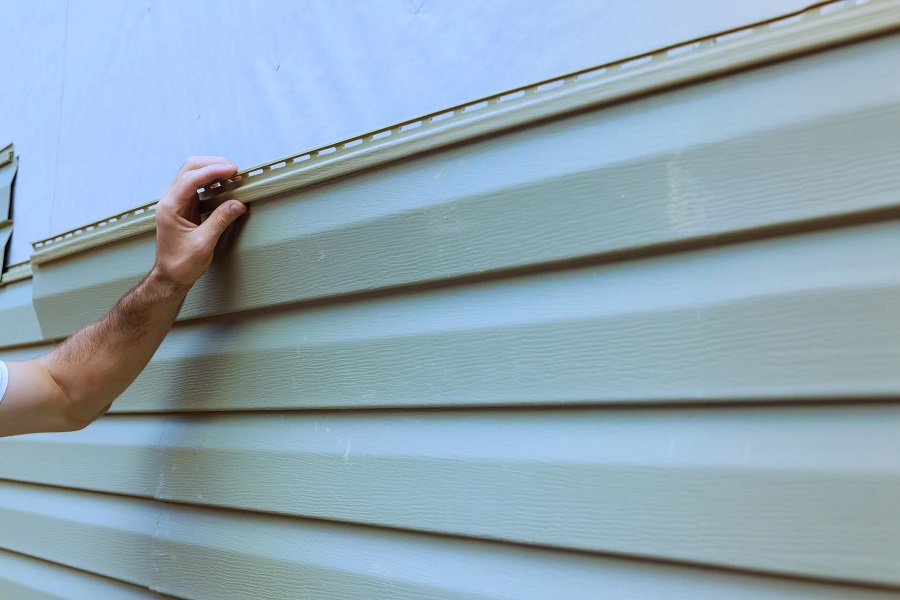
Professional vinyl siding installations reduce maintenance budgets by eliminating recurring painting, repair, and replacement cycles. Properties across the country have benefited from installations that minimize downtime while maintaining revenue streams from office complexes, retail centers, industrial facilities, and multi-unit properties.
Why Commercial Property Managers Choose Vinyl Siding
Lifecycle Cost Analysis Shows Clear Advantages
CFOs care about total cost of ownership, not just initial installation expenses. Vinyl siding delivers superior lifecycle economics compared to wood, brick, or fiber cement alternatives. Properties tracked over 20-year periods show vinyl installations reducing exterior maintenance costs by 60-70% compared to traditional materials.
The material eliminates scheduled repainting every 3-5 years. It resists moisture damage that leads to costly structural repairs. Most importantly, it frees maintenance staff to focus on revenue-generating activities rather than cosmetic upkeep. When calculating avoided costs over a 20-year period, the business case becomes compelling.
Risk Mitigation for Multi-Property Portfolios
Property managers overseeing multiple facilities need predictable performance across diverse climate conditions. Quality vinyl siding handles temperature extremes without the failures common to inferior materials. Systems installed across various regions perform consistently, whether properties span humid coastal areas or harsh continental climates.
This reliability matters when answering to ownership groups or boards who expect consistent property conditions across portfolios. One properly executed rollout establishes standards that can be replicated across multiple sites.
Vendor Selection Criteria That Protect Investments
Contractor Capabilities That Match Commercial Requirements
Not every contractor understands commercial project demands. Successful installations require coordination with property management teams, accommodation of tenant schedules, and safety protocols that meet commercial insurance requirements. Project managers must provide the documentation stakeholders expect.
Contractors should carry commercial general liability coverage appropriate for large-scale projects. Crews must understand how to work around occupied spaces without disrupting business operations. These capabilities separate contractors who handle residential work from those qualified for commercial properties.
Project Timeline Management
Tenants, ownership, and finance teams all need accurate completion schedules. Realistic timelines based on building size, weather windows, and coordination requirements set proper expectations. Project managers should provide weekly updates that afford stakeholders the visibility they need for planning purposes.
For properties with seasonal considerations or lease renewal deadlines, work phases must align with business calendars. This planning prevents the delays that occur when contractors fail to account for commercial constraints.
Installation Standards That Ensure Long-Term Performance
Preparation Work That Prevents Future Failures
Substrate inspections for structural issues before installation begins catch problems early. Compromised sheathing, moisture intrusion, or inadequate building wrap must be addressed during preparation. These steps prevent callbacks that disrupt operations and damage contractor relationships.
Contractors should document pre-existing conditions and recommend repairs that protect investments. This approach provides accurate project scoping that prevents budget surprises during installation.
Technical Specifications for Commercial Applications
Commercial buildings experience environmental stresses that exceed residential conditions. Installations must account for expansion and contraction across large wall surfaces. Fastening methods should follow manufacturer specifications that maintain warranty coverage while ensuring long-term attachment integrity.
These technical details matter when reputations depend on contractor performance. Projects exist where installation quality directly impacted tenant retention and lease negotiations.
Managing Multi-Tenant and Active Facility Constraints
Operational Continuity During Installation
Tenants expect uninterrupted business operations regardless of exterior work. Contractors must establish work zones that maintain access to entries, loading areas, and critical systems. Coordination with facility staff prevents conflicts with deliveries, customer traffic, or business hours.
For retail properties, high-impact work is scheduled during off-peak hours. Office complexes require phased installations that limit noise and access disruptions. This coordination prevents the tenant complaints that create headaches for property management teams.
Safety and Liability Management
Commercial properties demand safety protocols that exceed residential standards. Contractors must maintain OSHA compliance, provide certificates of insurance, and document safety procedures that satisfy risk management requirements. Site supervisors should conduct daily safety briefings and maintain clean work areas that prevent trip hazards.
This attention to safety protects property owners from liability exposure while demonstrating the professionalism ownership groups expect from vendors.
Measurable Returns for Commercial Property Stakeholders
Quality vinyl siding installation delivers outcomes stakeholders can measure. Properties show immediate improvements in curb appeal that support lease negotiations and tenant retention. Maintenance budgets decrease significantly as exterior upkeep requirements drop. Most importantly, property owners establish relationships with contractors who understand commercial property requirements.
Experience and Quality Matter
For commercial property owners looking to upgrade building exteriors, working with experienced contractors makes all the difference. Western Construction Inc. has served commercial property markets since 1949, bringing decades of expertise to every project. Their team understands the documentation, coordination, and quality standards that commercial stakeholders require.