

Moths are more than just a nuisance; they can damage clothing, fabrics, and stored food, making them a persistent problem in homes and businesses. In Seattle, where the damp climate can attract these pests, knowing how to effectively manage moth infestations is essential. Using the right tools and techniques can save both your belongings and your peace of mind.
One of the most effective solutions is using a moth trap. For residents in Seattle, professional guidance from services like unitedpestsolutions. com can help identify the type of moth and recommend the appropriate traps and treatments. With the right strategy, you can reduce moth populations and prevent future infestations, protecting your home and valuables.
Understanding Moths and Their Behavior
Before deploying a moth trap, it is important to understand the habits of moths:
- Types of moths: Common indoor species include clothes moths, which damage fabrics, and pantry moths, which infest food storage areas.
- Attraction factors: Moths are drawn to light, warmth, and natural fibers. Pantry moths, in particular, are attracted to grains, cereals, and nuts.
- Life cycle: Moths undergo a complete metamorphosis, meaning traps need to target adult moths while other control measures address eggs and larvae.
Knowing these factors allows homeowners in Seattle to select the most effective trap type for their situation.
Types of Moth Traps
Moth traps are designed to attract and capture adult moths before they reproduce. Popular options include:
- Pheromone traps: These traps use synthetic pheromones to lure male moths, preventing them from mating. They are highly effective for both clothes and pantry moths.
- Sticky traps: Coated with adhesive, these traps capture moths upon contact. They are simple to use and provide a visual indication of infestation levels.
- Light traps: Attracted to light, moths fly toward the source and are captured in a container or adhesive surface. Best used in dark rooms or storage areas.
Using a combination of trap types often yields the best results, particularly in areas with heavy infestations.
Placement and Usage Tips
Proper placement and usage of moth traps are crucial for success:
- Strategic positioning: Place traps near closets, drawers, and pantry shelves where moth activity is suspected.
- Height matters: Position traps at eye level for pantry moths or near the floor for clothes moths.
- Replace regularly: Pheromone and sticky traps lose effectiveness over time. Replace them according to manufacturer recommendations, usually every 4-6 weeks.
- Monitor progress: Check traps weekly to assess the level of infestation and adjust your strategy as needed.
These steps ensure that traps are effective and provide early warning for future moth activity.
Integrated Moth Control in Seattle Homes
Traps alone are not enough to eliminate moths entirely. A comprehensive approach includes:
- Cleaning and vacuuming: Remove infested fabrics, crumbs, and spilled grains to reduce attraction.
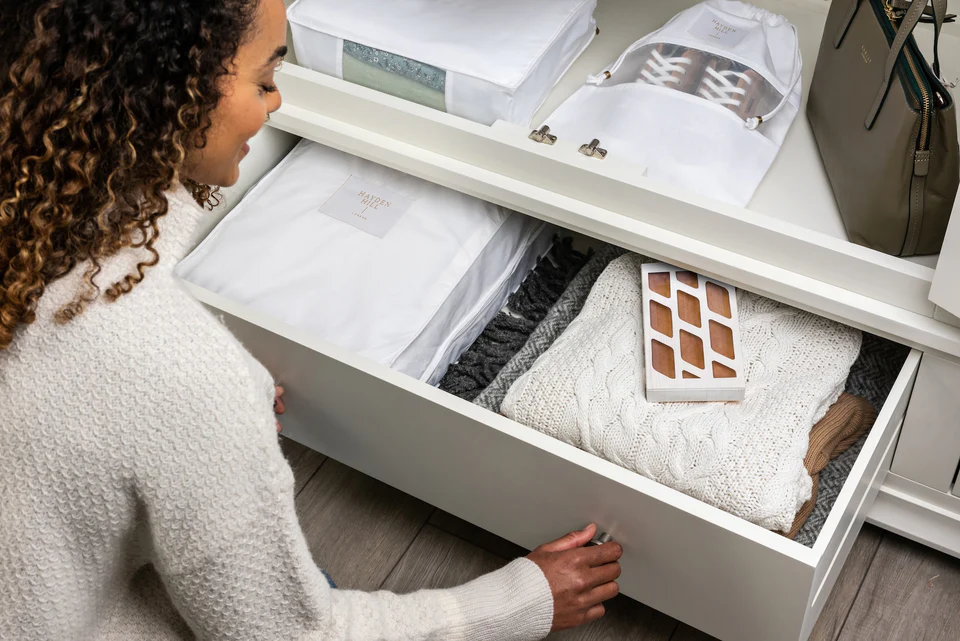
- Sealing storage: Use airtight containers for pantry items and garment bags for seasonal clothing.
- Temperature control: Freezing or heat-treating fabrics can kill eggs and larvae.
- Professional consultation: Services such as unitedpestsolutions.com can provide targeted treatments and advice for persistent problems.
Combining traps with preventive measures significantly reduces the likelihood of recurring infestations in Seattle homes.
When to Call Professionals
If moths continue to appear despite your best efforts, professional intervention may be necessary. Pest control experts in Seattle can:
- Identify the specific moth species
- Inspect hidden areas for eggs and larvae
- Apply environmentally safe treatments that are more effective than DIY methods
Early consultation can prevent extensive damage to clothing, upholstery, and food supplies.
Bottom Line
Using moth traps effectively in Seattle requires understanding moth behavior, selecting the right trap type, and placing them strategically. Coupled with regular cleaning, proper storage, and professional support from unitedpestsolutions.com, homeowners can regain control over infestations and protect their homes efficiently. Preventive action today ensures a moth-free tomorrow.