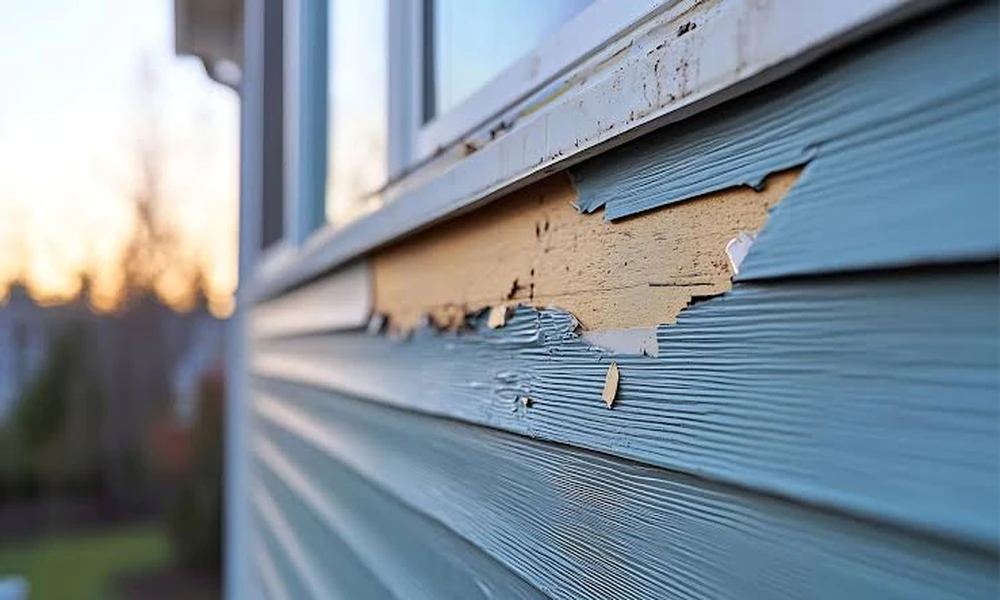

Most homeowners judge siding by what they can see from the driveway: color, fading and maybe a cracked board near the downspout. But the most expensive siding problems rarely start on the surface. They start in the thin layers behind the panels, where water collects quietly, wood stays damp and nobody looks until a wall feels soft or paint peels inside a bedroom.
Siding doesn’t really make a wall waterproof. It’s better to think of it as a rain shield. Some water will always get behind it during wind-driven storms. The real job of a wall is to send that water back out before it soaks into the sheathing and framing.
That’s why replacement projects so often turn up surprises. When a Blacklick siding contractor like mckinleyrg.com pulls off the first few courses on an older house, what’s underneath tells the real story: stained housewrap, missing flashing above a window or rotted sheathing near the ground. Knowing what lies behind your panels helps you ask better questions before any work begins.
What the Layers Are Supposed to Do
A well-built wall works like a set of overlapping shingles turned on its side. The siding sheds most of the rain. Behind it, a water-resistive barrier such as housewrap or building felt catches whatever gets through. Flashing at windows, doors and roof edges directs that water outward. Each layer has to overlap the one below it, the same way a roof does, so gravity always pulls water toward the outside.
When one of those overlaps gets reversed or skipped, the wall starts collecting water instead of shedding it. A strip of tape installed backward, or housewrap tucked behind a window flange instead of over it, can channel water straight into the framing for years before anyone notices.
Many builders now also leave a small gap behind the siding, called a rainscreen. This lets trapped moisture drain and dry. Vinyl siding creates some of that gap naturally because of its shape. Flat materials like fiber cement and wood benefit from furring strips or textured wraps that hold the panels slightly away from the wall.
Where Water Usually Gets In
Above windows and doors. The top edge of a window is the most common leak point on most homes. Without a head flashing or a properly lapped barrier, water running down the wall finds the gap and drops inside the rough opening.
Where a roof meets a wall. If a lower roof runs into a sidewall, there should be a small angled piece of metal at the bottom edge called a kickout flashing. Without it, roof runoff goes straight behind the siding. The damage often shows up as rot several feet below that corner.
Butt joints and trim. On lap siding, the joints between boards need flashing behind them or careful sealing. Caulk alone dries and cracks within a few seasons.
Too close to the ground. Siding that runs down into mulch or soil wicks up moisture and invites insects. Most manufacturers call for a few inches of clearance above grade and a bit more above roof surfaces.
Nailed too tight. Vinyl expands and contracts a surprising amount as the temperature changes. Panels nailed tight against the wall buckle in summer heat and pull loose in winter, which opens gaps behind them.
Freeze and Thaw Make Small Gaps Bigger
Climates with long winters and frequent temperature swings are hard on exterior walls. Water that gets into a joint or crack can freeze overnight, expand, and push the gap a little wider. Next time it thaws, more water gets in. Repeat that through a winter of thaws and refreezes, and a hairline opening around a window becomes a real path for water.
Cold also changes how siding materials behave. Vinyl gets more brittle as it gets colder, so a stray ball or a snow shovel can crack a panel that would have bent in July. Fiber cement handles the cold well but depends on sealed cut edges and a sound paint film. Wood and engineered wood need their paint or factory finish kept intact, or they absorb moisture and swell.
A Twenty-Minute Walk Around the House
You don’t need a ladder to spot most warning signs. Pick a dry afternoon and walk the whole house slowly.
- Look at the corners below every roof-to-wall intersection for stains, swelling or paint failure.
- Press gently on siding and trim near the ground and around windows. Soft or spongy spots mean moisture.
- Check that panels lie flat. Waves, bulges or loose courses suggest fastening problems or swelling behind.
- Look for gaps, cracked caulk or missing sealant around light fixtures, outlets, hose bibs and vents.
- Make sure siding sits above soil, mulch and decks rather than touching them.
- Look inside too. Peeling paint, stains or a musty smell on exterior walls can point to trouble outside.
Take photos as you go. Clear pictures make a contractor’s job easier and give you a record to compare against next year.
Choosing Material With the Whole Wall in Mind
Vinyl is still the most common siding in many neighborhoods because it costs less and needs little upkeep. Insulated vinyl adds a foam backer that stiffens the panel and improves thermal performance a bit. Fiber cement looks like painted wood, resists fire and insects, and stands up well to weather. It’s heavier, though, and needs careful cutting and finishing. Engineered wood offers a natural look with factory treatments against moisture and decay, as long as the finish is maintained.
No material makes up for a poorly detailed wall behind it. A modest siding installed over correctly lapped housewrap and good flashing will usually outlast a premium product installed over shortcuts.
Older Homes and the Paint Underneath
Many older houses still have their original wood clapboard under a later layer of vinyl or aluminum. Removing those layers can disturb old paint. The EPA’s renovation, repair and painting program explains that anyone paid to disturb painted surfaces in homes built before 1978 must work for a certified firm using lead-safe practices. If your house is that old, ask whether the crew is certified and how they plan to contain dust and debris.
Thinking in Layers
Good siding work starts with what you can’t see. When you understand how water moves through a wall, you can tell a quick cosmetic fix from a lasting repair, ask sharper questions about flashing and barriers, and catch small problems while they’re still small. Your siding’s appearance may be what sells the house, but the layers underneath decide how long that house stays dry and sound.