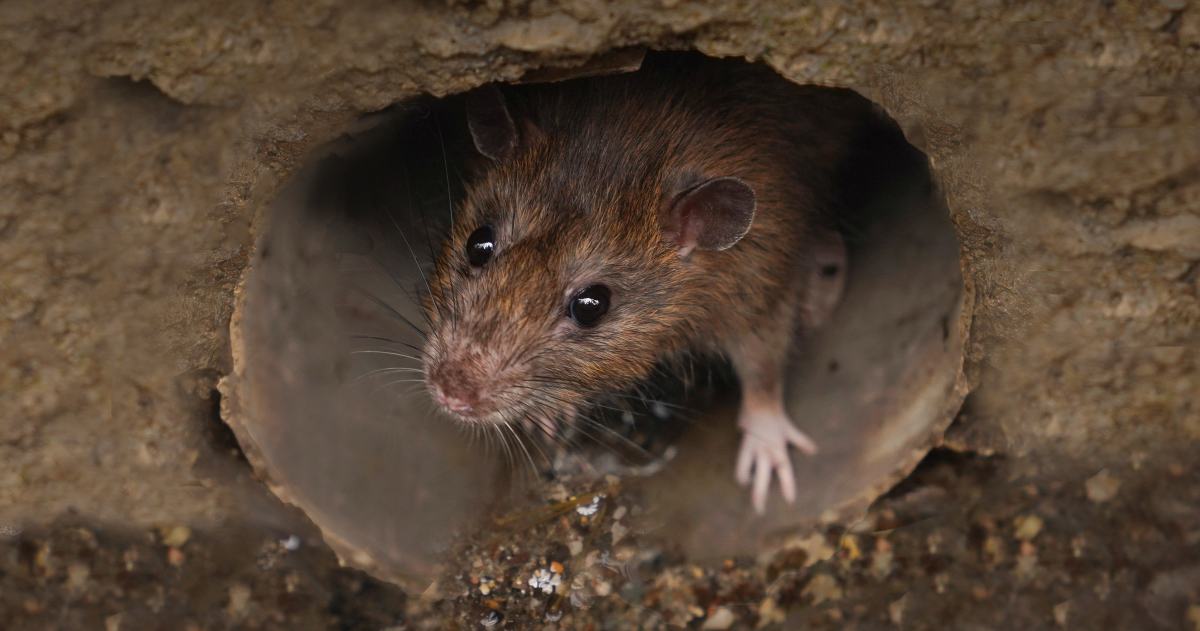

Denver has a big sewer system that runs beneath every neighbourhood. It runs from the historic pipes of Capitol Hill to the newer drainage in Stapleton. People rarely think about what is underground. However, these wet tunnels are a high-traffic highway for one of the city’s most concerning pests: the Norway Rat, also referred to as the “Sewer Rat.”
These rats thrive in the sewer systems. They have the ability to travel directly from the drains into your home, which makes them a serious health risk. Sewer rats use your plumbing system to access your building from below. If you ignore signs of rodent activity near drains, toilets, or utility connections, it can soon lead to a large-scale infestation.
So, the next time you hear strange noises or signs of activity near your drains, do not just dismiss them as plumbing issues. Take immediate action and contact saelapest.com today.
Why Do Denver Rats Choose The Drains
The Norway Rat is known for its ability to swim and survive in harsh environments. Therefore, this makes Denver’s extensive sewer system perfect for them. Sewer rats are attracted to the reliable food sources and warmth found in the main sewer lines. But as colonies grow, they are constantly searching for new territory and safer nesting sites.
There might be various vulnerable access points in your home’s plumbing, including:
- Broken pipes: Old clay or cast iron pipes, common in older Denver neighborhoods, can crack. This allows rats to burrow out of the main sewer line and directly into the soil beneath your foundation or crawl space.
- Unsealed entry points: Any unsealed floor drains, old clean-outs, or utility access points in basements or utility rooms provide a direct escape route from the sewer system into your structure.
- Toilet traps: In extremely rare but terrifying cases, a rat can swim up the sewage line and emerge through an unused toilet or basement floor drain. This can bring serious contamination directly into your living space.
Signs To Watch Out For Near Your Plumbing
Sewer rats enter your home from below the floor. You need to know the specific signs that they have broken past your plumbing defense.
1. Sounds Near Water Lines
Do you hear scraping or gnawing sounds? They might be coming from inside your walls, near your pipes, or under your foundation. Rats must constantly chew on hard objects. This helps file down their teeth, which never stop growing. If you hear gnawing combined with scratching, the infestation is very likely active and near a water source.
2. Bad Smells And Clogs
A strong sewer smell that won’t go away in your basement or crawl space is a big sign. This can happen even if your plumbing seems to be draining fine. The smell might mean a rat has burrowed out of a sewage line. It could also mean a plumbing trap is damaged.
Rats also frequently build nests inside drainage systems and use nesting material they collect. This can cause unexplained and recurring clogs in ground-level drains or even lower-level toilets.
3. Smudge Marks And Droppings
Sewer rats leave dark and greasy marks. Look for these “smudge marks” on vertical pipes or walls in utility rooms. Also, look for their droppings that appear large, black, and pellet-shaped. You will find them in dry areas, like the edge of your basement or near an unused floor drain.
Protect Your Home From Sewer Rats Today!
Protecting your home from sewer rats needs a special plan and not just DIY. Saela Pest Control is known for tackling the complex problem of rodents coming through underground paths. They perform deep inspections, which allow them to find the exact spot the rats are entering from the sewer system.
Call Saela Pest Control now to install permanent protection against sewer system intrusion!