

When it is time to repair or replace a roof, the type of roof you have matters. Flat roofs and pitched roofs are built in different ways. They use different materials and often have different problems over time. Knowing how repairs and replacements compare can help you plan, budget, and make the right choice for your home or building.
How Flat Roof Repairs Are Different
Flat roofs can look simple, but they still need careful work. Because flat roofs do not move water off as quickly as pitched roofs, ponding water can be a problem. Over time, standing water can wear down the roof surface and cause leaks.
Flat roof repairs often focus on sealing and patching weak spots. This can include fixing cracks, blisters, seams, and flashing around vents and edges. Many flat roof leaks start at seams or around roof openings. That is why small issues should be fixed early, before they turn into bigger problems.
How Pitched Roof Repairs Are Different
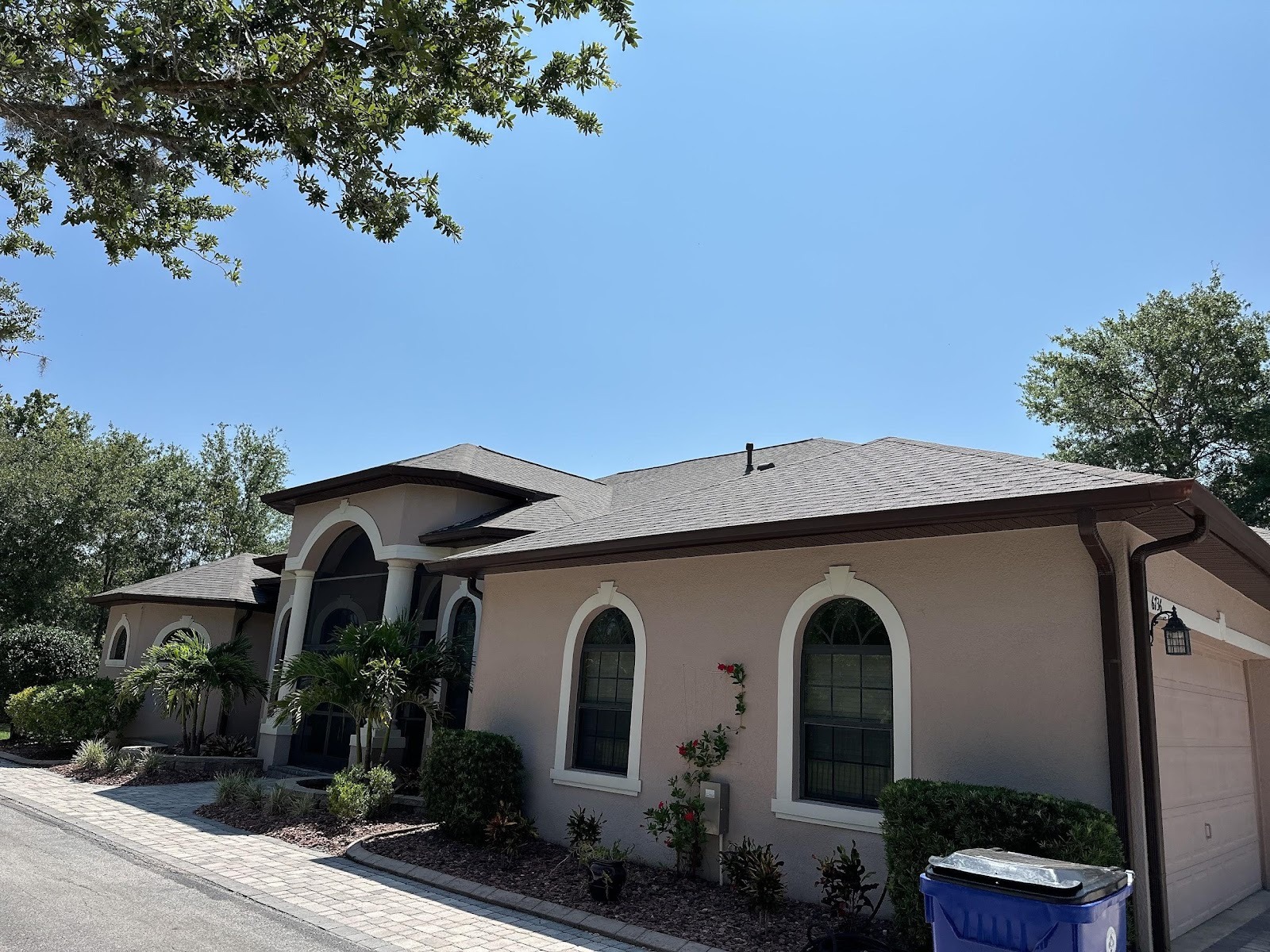
Pitched roofs are made to send water off the roof faster. This helps lower the chance of standing water. But pitched roofs can still have problems. Shingles can crack, lift, or blow off during strong winds. Water can also get in around chimneys, valleys, and flashing.
Pitched roof repairs often include replacing damaged shingles, fixing flashing, and checking for water damage under the roofing material. Since pitched roofs have more angles and roof parts, the repair work can take more time to inspect and complete.
Flat Roof Replacement vs. Pitched Roof Replacement
Replacing a flat roof often includes removing old layers, fixing the roof deck if needed, and installing a new roofing system. Flat roofs often use materials like TPO, EPDM, modified bitumen, or built-up roofing. The steps can change depending on the material and how many layers are already on the roof.
Pitched roof replacement is different. It often includes removing old shingles, checking the decking, installing underlayment, and then adding new shingles or another roofing material. Pitched roofs can use asphalt shingles, metal, tile, or other systems. Because pitched roofs have slopes, ridges, and valleys, replacement can take longer and may use more materials.
Which Roof Type Is Easier to Maintain?
Flat roofs may need more routine checks because water can sit longer, and small cracks can spread. Pitched roofs often have fewer water pooling issues, but they still need inspections for storm damage and worn flashing. In both cases, finding problems early can help save money.
Get Help From the Right Roofing Team
Choosing the right repair or replacement plan starts with knowing your roof type and what it needs. If you want expert help with either a flat roof or a pitched roof, we at RoofElite are here to help. We can inspect your roof, explain your options in clear terms, and handle repairs or replacements with care and quality work.
This post was written by a professional at RoofElite. RoofElite is one of the top metal roof companies near you, proudly serving Central Florida with fully licensed and insured service. As licensed roofers near you, we specialize in metal, shingle, tile, and flat roofing. Known for exceptional craftsmanship and lasting results, we’re among the best roofers near you for installation, repairs, and more. Trust RoofElite for durable, high-quality roofing solutions.