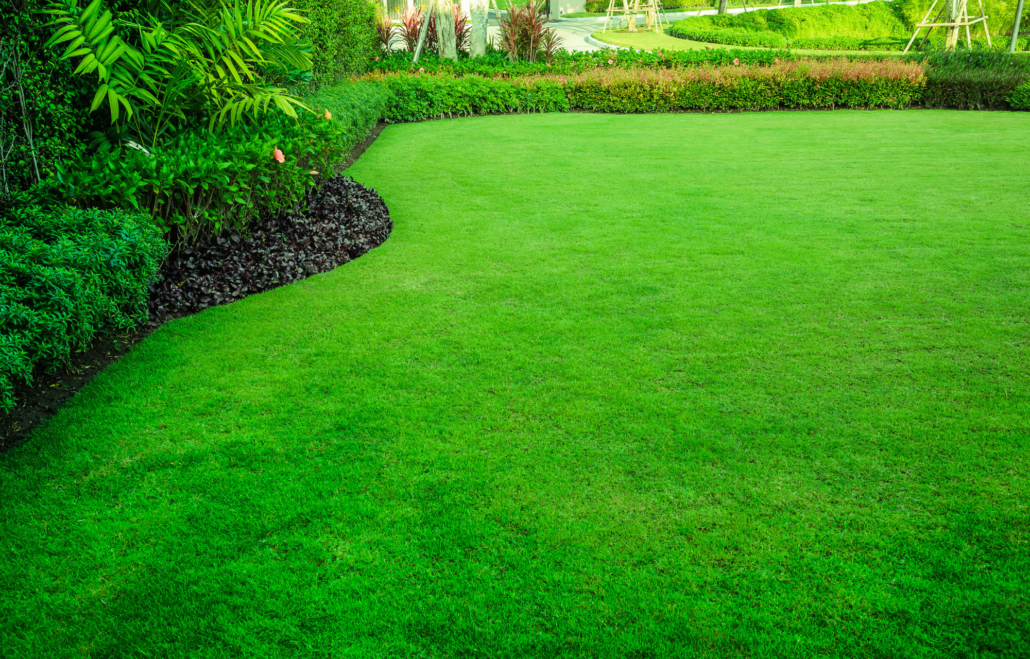

There is nothing you can do to a home that will change the way it feels when you roll up to it more than a thick, green lawn. But in North Texas, getting such a lush look can be tough. Heat waves, clay soil, and erratic rainfall can lead to patchy or thin yards. This is why so many homeowners opt for Grass Sod in Arlington as an easy way to get a near-instant, even lawn without going through multiple growing seasons.
This Is Why Sod Works in Arlington TX
Arlington is in a transition zone where cool-season and warm-season grasses act differently. Lawns grown from seed often suffer because extreme temperatures come before roots are fully established.
Key advantages include:
- Immediate visual results.
- Reduced soil erosion.
- Fewer weeds during establishment.
- Faster root stabilization.
- More predictable grass coverage.
It grows in its final, adult state, so it changes the soil rather than competing with weeds for space.
Choosing the Right Grass Type
Not all types of grass are created equal when it comes to coping with Texas weather. It should be built for durability with maintenance that is easy to handle.
Common options homeowners consider:
- Bermuda Grass Can tolerate heat and a lot of foot traffic.
- St. Augustine Thick blades and shade-tolerant.
- Very thick grass, and a medium amount of water consumption.
All handle sunlight and use it differently. For instance, a backyard with pets does well with more durable turf, while shaded areas call for wider blades that can catch minimal sunlight.
Arlington Grass Sod Choose Thinking about how the yard will be used is more important the same day you install it.
The Installation Process Explained
Professional installation is simple but meticulous. Rushing the preparation often results in lumpy growth or drainage issues.
Step-by-step overview
- Remove old grass and debris.
- Level and grade the soil.
- Add soil amendments if necessary.
- Line sod up snugly in alternating rows.
- Roll and water immediately.
The first watering matters most. Roots need to be in contact with soil within the first 24–48 hr or the sod may desiccate and die.
Critical Care Period
New sod takes attention in the early going, but is easy to care for later on. The biggest issues tend to take place when homeowners either overwater or mow too soon.
Watering schedule
- Days 1–10: Sparse watering 2–3 times per day.
- Days 11–20: Soak for a longer period once a day.
- Days 21–30: Every 2–3 days.
Mowing rules
- Wait until the grass is 3–4″ in height.
- Always follow the rule of never taking more than one-third off the blade length.
- Use sharp mower blades only.
Roots can grow down or remain shallow, depending on how well seedlings are cared for early. Deeper roots mean less drought stress later.
Seasonal Maintenance Tips
Arlington lawns have extreme summers and mild winters, so the maintenance varies with the seasons.
Spring
- Fertilize lightly
- Check drainage
- Repair edges
Summer
- Water deeply, not frequently
- Avoid cutting too short
- Watch for heat stress
Fall
- Reduce watering.
- Apply balanced fertilizer.
- Clear leaves regularly.
A well-laid sodded lawn with Grass Sod in Arlington typically requires less care than a seeded lawn as it will resist weed invasion.
When Sod Makes More Sense Than Seeding
Sod is particularly useful when:
- A property is newly built.
- Soil erosion is a concern.
- HOA deadlines require quick landscaping.
- Staging outdoor living is about instant gratification.
Homeowners need not wait for months for coverage; within weeks, they can be using their yards.
Final Thoughts
A good lawn isn’t a matter of luck so much as the starting conditions. With pre-existing grass, homeowners have a head start, especially in areas with fickle weather. Knowing how to prepare the soil, water, and maintain a lawn seasonally will ensure consistency long after the turf is in place.
Besides, many growers find that consulting with knowledgeable locals reveals much about what soil best suits the region and which type of grass is most favorable. Businesses like Premier Turf Farms are a part of that larger landscaping system by providing the right kind of local turf for a specific region’s particular climatic needs, which in turn helps towns and cities maintain healthier-looking outdoor areas without undue trial and error.