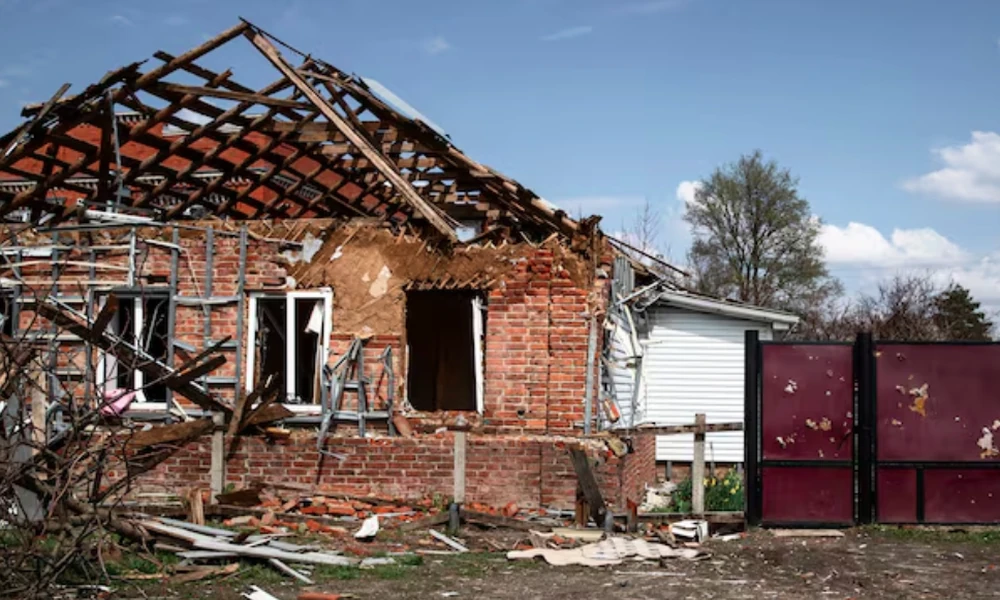

Severe weather events can strike unexpectedly, leaving homeowners and commercial property owners facing immense stress, property destruction, and urgent recovery needs. For restoration contractors and emergency response professionals, delivering prompt, efficient, and high-quality assistance is critical.
Enhancing your operational capabilities ensures that you can handle large volumes of emergency calls while maintaining superior workmanship and client satisfaction. Implementing targeted upgrades across your entire workflow helps position your business as a trusted leader in storm damage services.
Upgrading Emergency Response Speed and Dispatch Protocols
When severe storms hit, time is of the absolute essence for property owners dealing with flooded basements, shattered windows, or fallen trees. Establishing a streamlined dispatch system and maintaining a dedicated 24/7 emergency hotline ensures your team can respond rapidly to urgent calls.
Utilizing modern GPS tracking and mobile dispatch software allows you to route crews efficiently to the most critical locations.
Fast response times not only prevent further structural degradation to properties but also build immediate trust and reliability with stressed clients during catastrophic events.
Investing in Advanced Equipment and Modern Technology
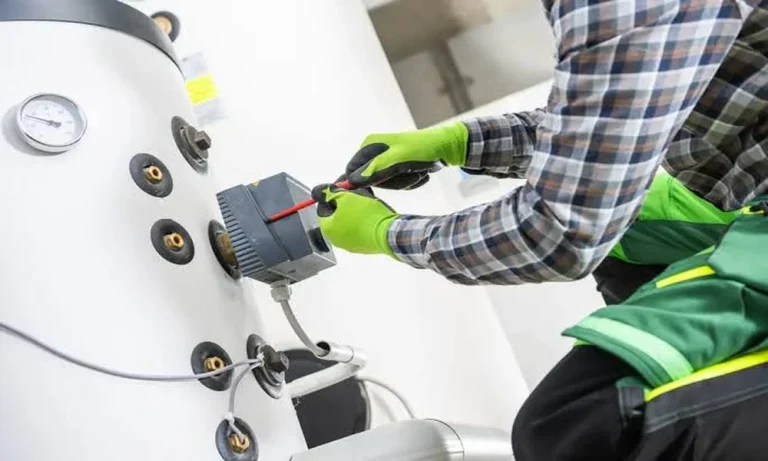
Equipping your field technicians with state-of-the-art tools significantly increases the speed and accuracy of property restoration projects.
Modern moisture meters, industrial-grade air movers, high-capacity dehumidifiers, and thermal imaging cameras allow your crew to detect hidden water pockets and structural weaknesses quickly.
Furthermore, utilizing drone technology for rapid roof inspections provides a safe and comprehensive assessment of storm-hit properties without exposing workers to dangerous heights. Upgrading your gear ensures that every aspect of your storm damage services meets the highest industry standards.
Streamlining Insurance Claim Assistance and Documentation
Navigating complex insurance claims is frequently one of the most frustrating and overwhelming experiences for property owners following a disaster. Offering dedicated claims management support sets your company apart from competitors by simplifying the entire administrative process.
Train your project managers to document all structural impairments meticulously with clear photographs, detailed measurement reports, and thorough repair estimates.
Guiding clients seamlessly through insurance paperwork turns a stressful ordeal into a smooth partnership, greatly enhancing customer satisfaction.
Enhancing Technician Training and Industry Certifications
The quality of your restoration work depends entirely on the expertise, skill level, and preparedness of your field technicians. Investing in continuous professional development and obtaining recognized industry certifications from authoritative bodies ensures your staff stays updated on best practices.
Training sessions should cover safe debris removal, advanced structural drying techniques, mold prevention, and effective customer communication.
Well-trained crews deliver superior results, minimizing costly mistakes and ensuring that your storm damage services are executed safely and efficiently.
Optimizing Communication Channels With Clients and Partners
Clear, transparent, and empathetic communication is vital when dealing with clients whose homes or businesses have suffered severe weather destruction.
Establish an automated client portal or regular check-in protocol to keep property owners informed about project milestones, repair timelines, and crew arrival times.
Additionally, maintain strong professional relationships with local subcontractors, insurance adjusters, and supply vendors to prevent unexpected project delays.
Keeping all stakeholders aligned fosters a collaborative environment and eliminates miscommunication throughout the restoration process.
Implementing Quality Control Audits and Client Feedback Loops
Continuous business improvement requires systematic evaluation of past performance, completed projects, and customer satisfaction metrics.
Conduct thorough quality control inspections before officially closing out any restoration project to ensure that no minor structural details or cleanup tasks were overlooked.
Furthermore, actively encourage clients to leave reviews and provide honest feedback regarding their overall experience.
Analyzing this data allows you to identify operational bottlenecks, refine your workflows, and continuously elevate the overall excellence of your storm damage services over time.