
Warehouses in Delaware store a wide range of goods, from packaged food to industrial materials. These facilities often provide ideal hiding and breeding spaces for pests due to large storage areas, frequent shipments, and varying environmental conditions. Without proper management, infestations can quickly spread and damage products.
For many Delaware warehouse operators, implementing integrated pest management strategies with guidance from resources such as prestopestcontrol.com helps maintain sanitation, protect stored inventory, and ensure compliance with health and safety standards.
Understanding Integrated Pest Management in Delaware Warehouses
Integrated Pest Management (IPM) is a systematic approach to pest control that focuses on prevention, monitoring, and targeted treatment rather than relying solely on chemical pesticides. In Delaware warehouses, IPM programs help reduce pest populations while minimizing environmental impact.
Warehouses in Delaware face common pest threats including rodents, cockroaches, ants, flies, and stored product pests such as beetles and moths. Because these pests can contaminate goods and spread rapidly, a proactive strategy is essential.
IPM focuses on identifying the root causes of pest activity and eliminating the conditions that allow pests to thrive.
Common Pest Risks in Delaware Warehouse Facilities
Several factors make warehouses in Delaware particularly vulnerable to pest infestations:
- Large storage areas with limited monitoring
- Frequent loading and unloading of shipments
- Food or organic product storage
- Cluttered shelving and pallets
- Moisture buildup or poor drainage
When pests enter a Delaware warehouse, they can quickly spread through storage racks, packaging materials, and hidden corners.
Typical pests found in Delaware warehouses include:
- Rodents such as mice and rats
- Cockroaches
- Ants
- Stored product insects (beetles, weevils, moths)
- Flies and other flying insects
Key Components of Integrated Pest Management in Delaware Warehouses
A successful IPM program for warehouses in Delaware combines multiple strategies that focus on prevention and long-term control.
Regular Inspection and Monitoring
Routine inspections help identify early signs of pest activity before infestations become severe.
Warehouse managers in Delaware should monitor:
- Storage areas and pallet racks
- Loading docks
- Trash disposal zones
- Utility rooms and break areas
Sanitation and Housekeeping
Sanitation plays a critical role in pest prevention in Delaware warehouses.
Important sanitation practices include:
- Cleaning spills immediately
- Removing waste regularly
- Keeping storage areas organized
- Avoiding food debris in workspaces
- Maintaining clean break rooms
Structural Maintenance and Exclusion
Preventing pests from entering the facility is one of the most effective IPM strategies.
Warehouse facilities in Delaware should focus on:
- Sealing cracks and gaps in walls
- Repairing damaged doors and screens
- Installing door sweeps on loading dock entrances
- Fixing leaking pipes and moisture issues
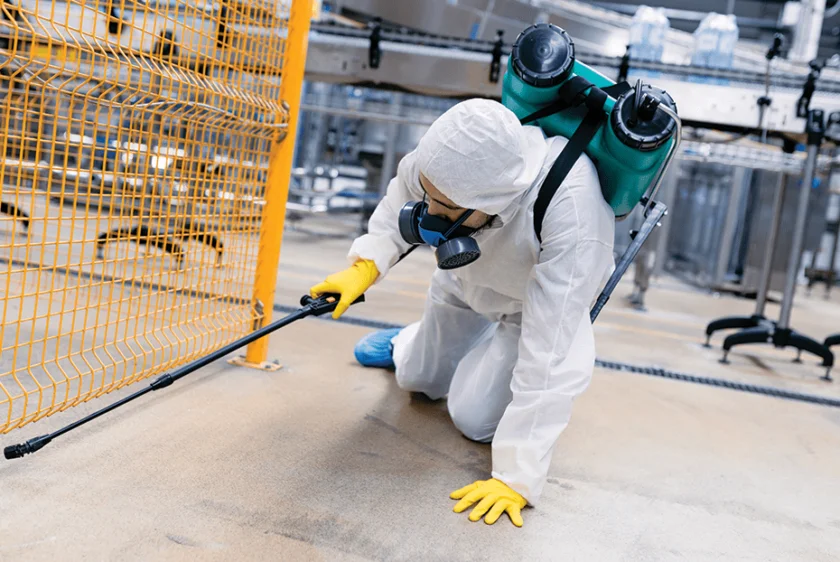
Safe and Targeted Pest Treatments
When pest activity is detected in a Delaware warehouse, targeted treatments may be necessary.
IPM programs prioritize:
- Low-toxicity pest control products
- Precise application methods
- Treatments focused only on affected areas
Benefits of Integrated Pest Management for Delaware Warehouses
Implementing IPM provides several important advantages for warehouse operators in Delaware.
Improved product protection
Pests can contaminate or destroy stored goods. IPM reduces this risk by maintaining consistent monitoring and prevention.
Regulatory compliance
Warehouses storing food or consumer products must meet strict health and safety regulations. IPM programs help facilities in Delaware stay compliant with inspection standards.
Reduced long-term costs
Although prevention requires effort, it reduces the financial impact of large infestations, product loss, and facility shutdowns.
Environmentally responsible pest control
IPM minimizes pesticide use by focusing on prevention and targeted treatment.
Training and Awareness for Warehouse Staff
Employees play a crucial role in maintaining pest control standards within Delaware warehouses.
Staff should be trained to:
- Recognize early signs of pest activity
- Report pest sightings immediately
- Maintain proper sanitation practices
- Follow waste management guidelines
Integrated pest management is an effective and sustainable strategy for protecting warehouses in Delaware from pest infestations. By combining monitoring, sanitation, structural maintenance, and targeted treatments, warehouse operators can safeguard stored products, maintain regulatory compliance, and create a cleaner, more efficient storage environment.