
If you’ve ever watched a Texas thunderstorm roll across the Hill Country, you know how intense lightning can be. In Austin, powerful storms are part of life-especially during spring and early summer. With dramatic lightning strikes lighting up the skyline from Westlake to Round Rock, many homeowners start asking an important question: Are lightning rods still necessary, or are they outdated technology? And if you already have one, should a Residential Electrician inspect it?
The short answer is this: lightning rods are not a thing of the past. In fact, they remain one of the most effective ways to protect a home from direct lightning damage. However, like any safety system, they need to be properly installed, maintained, and inspected-especially in a storm-prone region like Austin, Texas.
Let’s break down what lightning rods do, why they still matter, and when it’s time to call a professional.
Why Lightning Is a Serious Concern in Austin, Texas
Texas consistently ranks among the top states for lightning strikes each year. Central Texas storms often form quickly and bring high winds, heavy rain, and frequent lightning. Areas around Lake Travis, Dripping Springs, and open suburban developments are particularly exposed due to elevation and open terrain.
When lightning strikes a home directly, the results can include:
- Roof and structural fires
- Damaged electrical wiring
- Fried appliances and electronics
- Cracked masonry or chimney damage
- Expensive insurance claims
Lightning doesn’t need to “burn down” a house to cause major problems. A surge traveling through your electrical system can damage HVAC units, smart home systems, EV chargers, refrigerators, and other high-value equipment.
This is where a properly installed lightning protection system comes in.
What Does a Lightning Rod Actually Do?
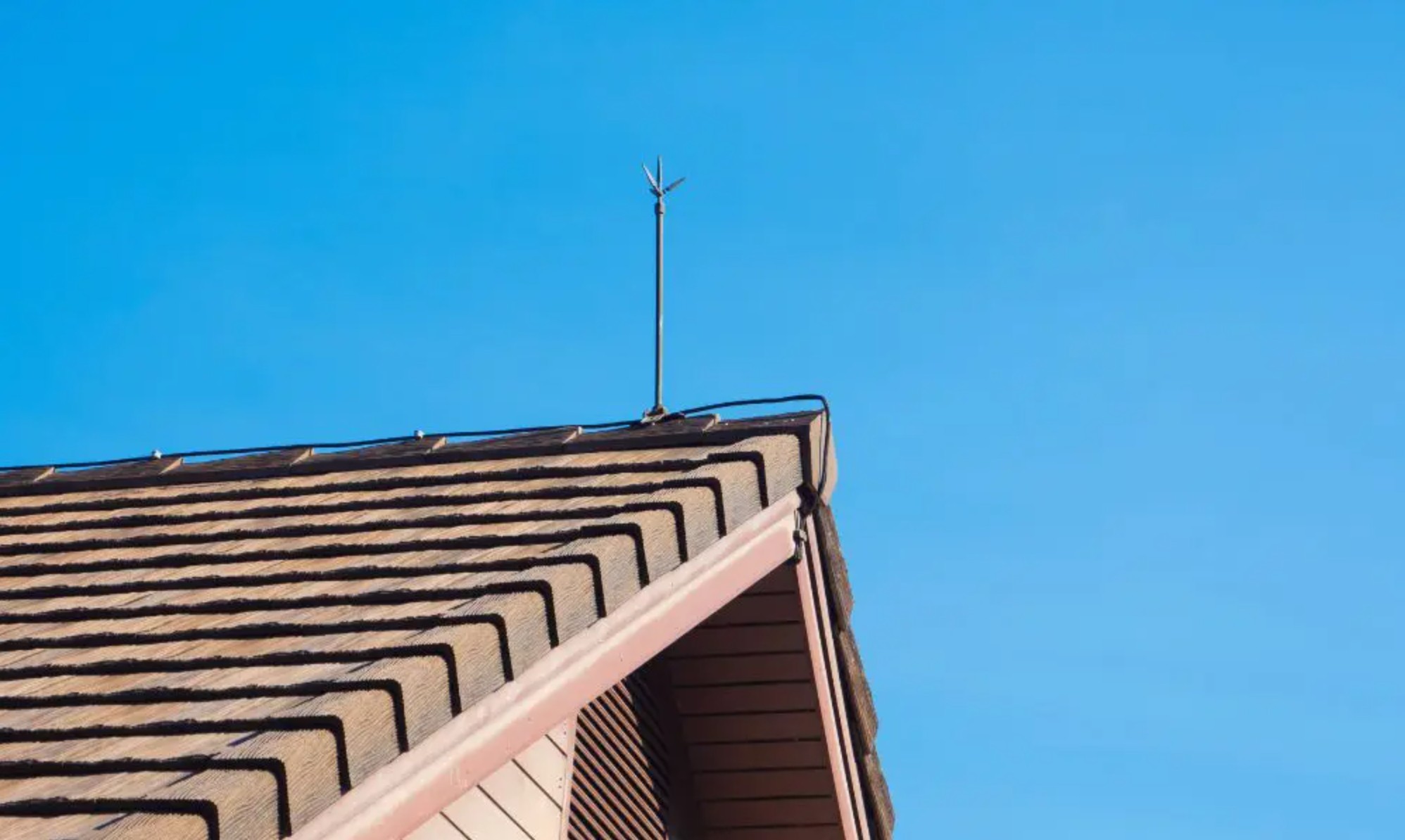
A lightning rod, also called an air terminal, is designed to safely intercept lightning and direct it into the ground. Contrary to popular belief, it does not “attract” lightning. Instead, it provides a controlled path for lightning energy to travel safely into the earth without passing through your home’s framing, wiring, or plumbing.
A complete lightning protection system includes:
- Air terminals (lightning rods) mounted on roof peaks
- Conductor cables that connect the rods
- Ground rods driven deep into the earth
- Bonding connections to metal components like gutters or HVAC units
When properly installed, this system channels enormous electrical energy safely into the ground, minimizing fire and structural damage.
Are Lightning Rods Outdated?
Some homeowners assume lightning rods are old-fashioned because they associate them with historic buildings or barns. While they’ve been around since Benjamin Franklin’s time, modern lightning protection systems have evolved significantly.
Today’s systems are:
- Engineered to meet national safety standards
- Designed to integrate with modern roofing systems
- Compatible with metal roofs, tile roofs, and architectural shingles
- Often paired with whole-home surge protection
In fact, with today’s reliance on electronics-home offices, smart panels, EV chargers, security systems-lightning protection is arguably more relevant than ever.
If you live in an elevated neighborhood, own a larger home, or have expensive electronics and appliances, having a Residential Electrician evaluate your property is a smart move.
What Are the Benefits of Lightning Rods for Austin Homes?
Here are the major advantages of installing or maintaining a lightning protection system:
1. Fire Prevention
Lightning strikes can superheat materials instantly. A rod system provides a low-resistance path to ground, reducing the likelihood of ignition in attic spaces or roofing materials.
2. Structural Protection
Without a controlled path, lightning may travel through wood framing, brick, plumbing, or wiring-causing hidden structural damage that may not be visible immediately.
3. Electrical System Protection
While lightning rods primarily protect the structure, they work best when paired with whole-home surge protection. Together, they significantly reduce the risk of damaged wiring and electrical panels.
4. Appliance and Equipment Protection
Modern Austin homes often include:
- Tankless water heaters
- High-efficiency HVAC systems
- Solar panels
- EV charging stations
- Smart home automation systems
A lightning strike without proper grounding can destroy thousands of dollars in equipment instantly.
5. Insurance and Peace of Mind
Some insurance providers view lightning protection systems favorably. Even when they don’t offer discounts, documented inspections and proper installation can help support claims.
Should You Have a Residential Electrician Inspect Your Lightning Rod?
If your home already has lightning rods, inspection is critical. Over time, connections can loosen, corrosion can develop, and roof replacements may disrupt conductor cables.
A Residential Electrician will:
- Inspect air terminals for damage or improper placement
- Check conductor cable continuity
- Verify grounding rod depth and condition
- Ensure proper bonding to metal components
- Test grounding resistance levels
- Inspect your electrical panel for surge protection integration
Many homeowners assume that if the rods are still visible, they must be working. Unfortunately, lightning protection systems can fail silently if grounding connections deteriorate.
In Austin’s climate-where heat, humidity, and storms are common-routine inspection is a wise investment.
Can a Handy Person Install Lightning Rods as a DIY Project?
This is where things get serious.
While installing a visible metal rod on a roof may seem simple, lightning protection is not just about attaching metal to shingles. It is a highly technical system involving:
- Proper conductor sizing
- Correct bonding methods
- Grounding electrode installation
- Compliance with National Electrical Code (NEC) standards
- Roof penetration waterproofing
- Structural and electrical integration
Improper installation can:
- Create side-flashing (lightning jumping to nearby metal objects)
- Fail to properly ground the system
- Void roofing warranties
- Increase risk rather than reduce it
Lightning carries millions of volts of electricity. If grounding is insufficient or incorrectly bonded, that energy can travel through your home’s electrical system, plumbing, or framing.
For these reasons, lightning rod installation should not be treated as a DIY project.
Texas licensed electricians in Austin, TX natives trust are trained to understand both lightning protection principles and proper grounding techniques.
What Makes Professional Installation So Important?
When a Residential Electrician handles lightning rod installation or inspection, they:
- Evaluate your home’s height, location, and exposure
- Determine optimal air terminal placement
- Install conductors with proper spacing and routing
- Ensure grounding electrodes meet code depth requirements
- Bond the system to your home’s electrical grounding system
- Integrate surge protection where appropriate
This comprehensive approach ensures the system performs as intended during a storm.
In addition, a professional understands local building codes specific to Austin and surrounding areas. Central Texas soil conditions, for example, can affect grounding performance and may require multiple ground rods for proper resistance levels.
Do All Austin, Texas Homes Need Lightning Rods?
Not every home requires a full lightning protection system. However, certain properties are higher risk, including:
- Homes on hilltops or elevated terrain
- Large custom homes
- Properties with metal roofs
- Homes with solar panel systems
- Homes with detached garages or guest houses
- Properties surrounded by open land
If you’re unsure whether your home falls into a higher-risk category, scheduling an inspection with a Residential Electrician can help you make an informed decision.
Lightning Rods and Whole-Home Surge Protection: A Smart Combination
Lightning rods protect the structure from direct strikes. Whole-home surge protectors guard against indirect strikes and power surges entering through utility lines.
For Austin homeowners who work from home or operate businesses from their residence, this combination provides layered protection.
A licensed professional can evaluate your main panel and recommend surge protection rated appropriately for your home’s electrical load.
The Bottom Line: Are Lightning Rods Worth It?
Lightning rods are not relics of the past. In storm-prone regions like Austin, Texas, they remain a valuable protective system for certain homes.
If you:
- Live in an exposed area
- Own high-value electronics
- Have a large or elevated home
- Already have a lightning rod system installed
It’s wise to have a Residential Electrician inspect or evaluate your setup.
Attempting lightning rod installation as a DIY project may save money upfront-but the risks far outweigh the savings. Lightning protection involves more than visible hardware. It requires expert grounding, bonding, and electrical integration.
When it comes to protecting your home, family, and investment, working with experienced Texas licensed electricians in Austin, TX natives trust ensures the job is done safely and correctly.
Protect Your Austin Home Before the Next Storm
Central Texas weather is unpredictable, but your home’s protection doesn’t have to be.
If you’re unsure whether lightning rods are necessary-or if you want an inspection of your existing system-contact a qualified professional who specializes in residential electrical systems.
Your home is one of your largest investments. Taking proactive steps today can prevent catastrophic damage tomorrow. And when thunder starts rolling across the Austin sky, you’ll have peace of mind knowing your home is properly protected.