
A basement foundation is one of the most important parts of any home. It supports the structure above, protects against soil movement, and keeps water at bay. When issues arise, they can be easy to dismiss as minor inconveniences. Cracks in the wall, damp patches, or slightly uneven floors often seem harmless at first. Yet ignoring these signs can have lasting consequences. Basement underpinning is a proven solution to foundation problems, but delaying action can turn small concerns into costly repairs.
The Risks of Delaying Foundation Repairs
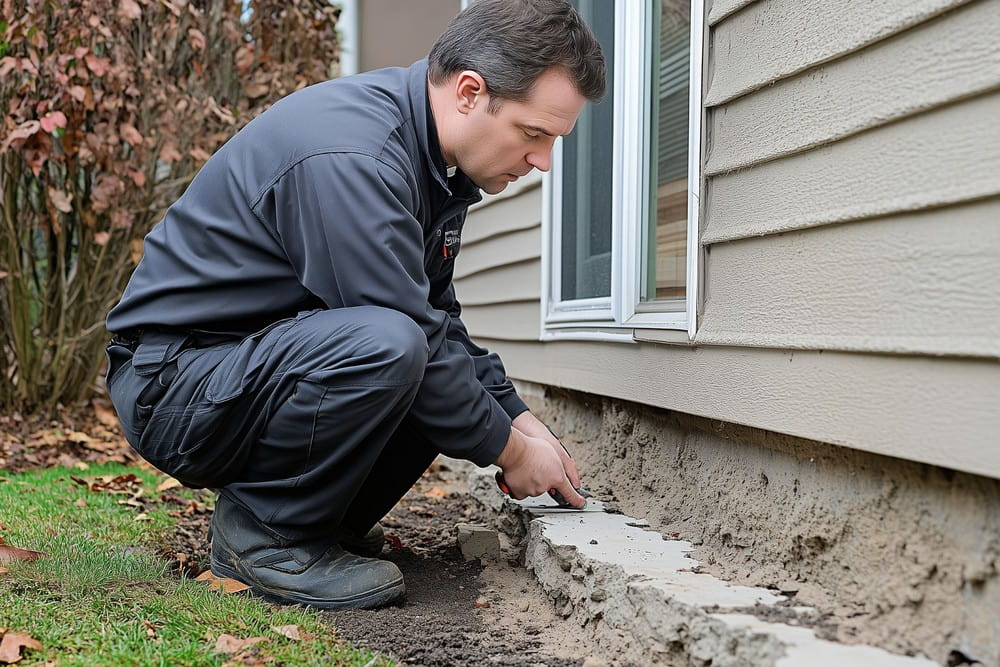
Foundations rarely fail overnight. Instead, they weaken gradually as soil shifts, water seeps in, or structural loads increase. Small cracks widen, floors begin to slope, and moisture finds its way inside. These changes might appear cosmetic at first, but they signal deeper problems that only worsen with time. What starts as a minor issue can quickly escalate into instability that affects the entire house.
One of the most serious risks is compromised safety. Weak foundations jeopardize the structural integrity of the home, making it vulnerable during storms, heavy rains, or seismic activity. The longer repairs are postponed, the more difficult and expensive they become. By addressing foundation problems early through methods like underpinning, homeowners safeguard both their investment and their safety.
Delays also lead to a domino effect. When foundations weaken, they put additional stress on walls, floors, and even the roof. Cracks may appear in upper storeys, doors may not close properly, and windows may jam. These warning signs reflect a system under strain. Left untreated, the cost of repairing multiple areas far outweighs the cost of stabilizing the basement in the first place.
Water Damage and Mould Growth
Moisture is one of the most damaging forces when it comes to foundations. Cracks and weakened areas provide an entry point for water, especially during rainy seasons or spring thaw. Over time, dampness builds up in the basement, creating an environment ideal for mould and mildew. Once established, mould can spread quickly through the home, affecting air quality and posing health risks. Respiratory issues, allergies, and persistent odours are often the first signs of this problem.
Water damage does not stop at mould. It also deteriorates building materials, from wooden supports to drywall and insulation. Repairs extend far beyond the basement once moisture travels into upper floors. Carpets, flooring, and furniture can also be ruined, adding to replacement costs. These cascading problems highlight the hidden costs of neglect. A timely solution such as basement underpinning not only reinforces the structure but also improves resistance to water intrusion, protecting the home from further damage.
In severe cases, water infiltration can damage electrical systems located in the basement. Exposed wiring or damp conditions increase the risk of short circuits or fire hazards. The combination of structural and safety risks makes water damage one of the most urgent issues to address. Ignoring even small leaks can lead to a chain reaction of expensive and dangerous problems.
Declining Property Value
Homes with foundation problems are less attractive on the real estate market. Buyers hesitate when they see cracks, uneven floors, or signs of water intrusion. Even if the home is otherwise well-maintained, visible foundation issues raise red flags. Real estate professionals often advise sellers to resolve these concerns before listing a property. The cost of underpinning is frequently recouped in the higher sale price and quicker transactions that follow.
Ignoring the problem, on the other hand, can mean steep discounts during negotiations. Buyers may demand price reductions to account for anticipated repair costs, or worse, walk away entirely. Foundation problems linger on inspection reports, making them impossible to hide. Addressing them proactively ensures that the home retains its value and appeal in a competitive market.
A strong foundation also adds intangible value. Buyers want peace of mind, not uncertainty. A home that has undergone professional underpinning is often perceived as safer and more durable. In contrast, a home with unresolved foundation problems becomes a liability that many are unwilling to take on. What seems like a savings in the short term can result in a financial setback at the point of sale.
Escalating Repair Costs
The financial burden of ignoring foundation issues grows steadily over time. Small cracks that could have been stabilized inexpensively may eventually require major excavation, structural rebuilding, or even partial demolition. What could have been a manageable repair becomes a full-scale renovation. These escalated costs strain budgets and create unnecessary stress.
Basement underpinning provides a long-term fix that prevents this escalation. By reinforcing and lowering the foundation, it creates a stable base that resists further movement. The upfront cost of underpinning is an investment that saves money in the long run by avoiding repeated temporary fixes. Acting early is always more cost-effective than waiting until a foundation is beyond repair.
Consider the example of a property owner who notices minor cracks but chooses to wait. Within a few years, the cracks widen, water damage spreads, and the cost of repair multiplies. Instead of a single underpinning project, the homeowner now faces rebuilding sections of the home, replacing finishes, and correcting drainage. The difference between early action and delayed response can be tens of thousands of dollars.
Lifestyle Disruptions
Foundation issues do not just cost money—they disrupt daily life. Persistent dampness creates musty odours, uneven floors become trip hazards, and water intrusion can damage furniture or stored belongings. These inconveniences accumulate, making the home less comfortable and more stressful to maintain. Living in a property with ongoing structural concerns undermines peace of mind.
Repairs completed early and thoroughly restore normalcy. Underpinning strengthens the foundation while providing the opportunity to reimagine the basement as a functional, dry, and inviting space. Instead of a problem area, the basement becomes a source of comfort and utility. Addressing foundation concerns improves not only the house itself but also the quality of life it provides.
The disruption of large-scale repairs should also be considered. When homeowners delay too long, major reconstruction often requires vacating the property. Families are forced to relocate temporarily, adding moving expenses and inconvenience. Taking preventative steps through underpinning avoids this scenario, making it possible to enjoy the home without interruption.
Don’t Let Cracks Drain Your Wallet
Ignoring foundation problems may seem harmless in the moment, but the hidden costs build steadily. From escalating repair bills and water damage to reduced property value, the consequences can overwhelm even the most resilient budget. Basement underpinning is more than a fix—it is a preventive measure that protects the structure, the investment, and the comfort of the home. By acting early, homeowners turn potential disasters into long-term stability. The cracks in the wall may look small, but the price of neglect is anything but.