
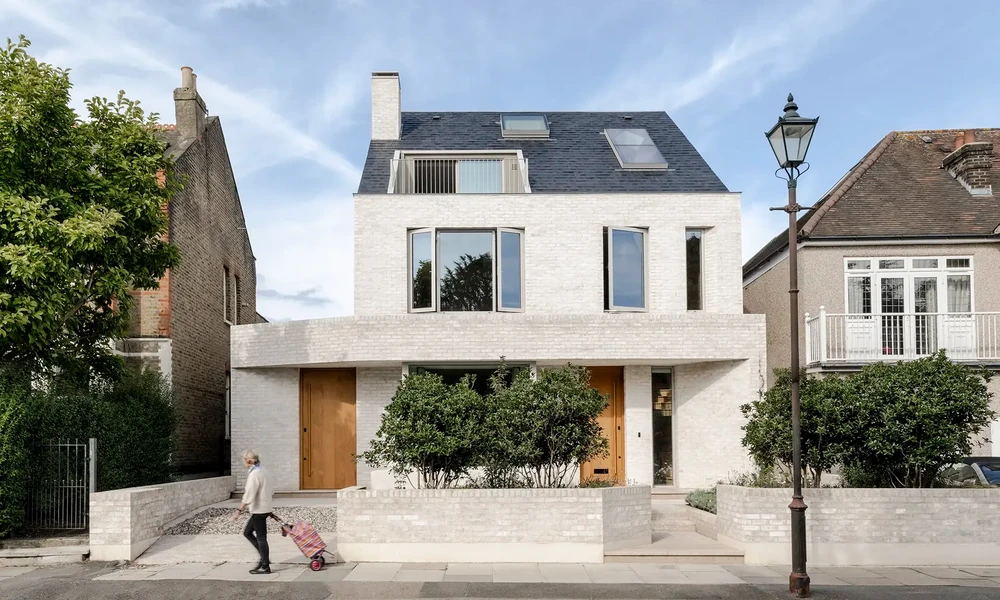

The features that make a home genuinely comfortable and visually appealing are rarely accidental – they result from deliberate decisions about how spaces are designed, what elements are included, and how those elements integrate with the overall character of the property. Homes with well-chosen features attract more interest from buyers, command stronger market positions, and simply feel better to live in on a daily basis. Understanding which home features deliver the greatest impact on both comfort and appeal helps homeowners prioritize investments that create lasting value rather than short-lived novelty.
Architectural Planning Features That Define Space
The architectural planning behind a home’s layout shapes how comfortable and functional it feels in ways that no amount of decorating can fully compensate for when the underlying layout is flawed. Open-plan arrangements that connect kitchen, dining, and living areas create the social and visual flow that modern living styles demand, while thoughtfully placed private zones provide the separation that family life also requires for rest, work, and focused activity. Using story pole plans during the design of new structures or major additions helps verify that proposed elements relate appropriately to site boundaries, neighboring properties, and view corridors before construction commits these decisions permanently.
Heating and Atmosphere-Creating Features
The atmosphere of a home during cooler months depends significantly on the heating systems and comfort features that create warmth both functionally and visually. Radiant floor heating provides an exceptionally comfortable form of thermal comfort that feels fundamentally different from forced air systems, eliminating the drafts, noise, and uneven temperature distribution that conventional heating creates. The fireplaces installations add a dimension of visual warmth, ambient comfort, and social focal point that no other single feature replicates within a home’s interior.
Natural Light and Ventilation Features
Access to natural light and fresh air within a home profoundly affects the wellbeing and daily experience of its occupants in ways that consistently measure in physiological and psychological research. Thoughtfully positioned skylights bring natural light into interior zones that windows cannot reach, transforming previously dark corridors, bathrooms, and central spaces into bright and pleasant environments. Operable windows positioned to take advantage of prevailing breezes create natural ventilation that improves air quality and reduces the reliance on mechanical cooling during mild weather periods.
Storage, Organization, and Functional Space Features
Homes that feel comfortable are invariably homes where everything has a place and the daily friction of managing household belongings is minimized through thoughtful built-in storage and organizational features. Walk-in closets with customized storage systems, mudrooms with dedicated zones for outerwear and shoes, kitchen pantries with organized shelving, and utility rooms with appropriate cabinetry and work surfaces all contribute to a household that operates smoothly and maintains visual tidiness without constant effort.
Conclusion
Home features that improve comfort and property appeal work together as an integrated system rather than as isolated elements selected independently. Architectural planning, atmosphere-creating fireplaces, natural light access, functional storage, and outdoor connection each contribute a distinct dimension of quality that compounds with the others to create homes that feel genuinely superior to those that lack these elements. Thoughtful investment in features that address real comfort needs and contribute to visual appeal consistently delivers long-term satisfaction in both the living experience and the property’s enduring market position.