
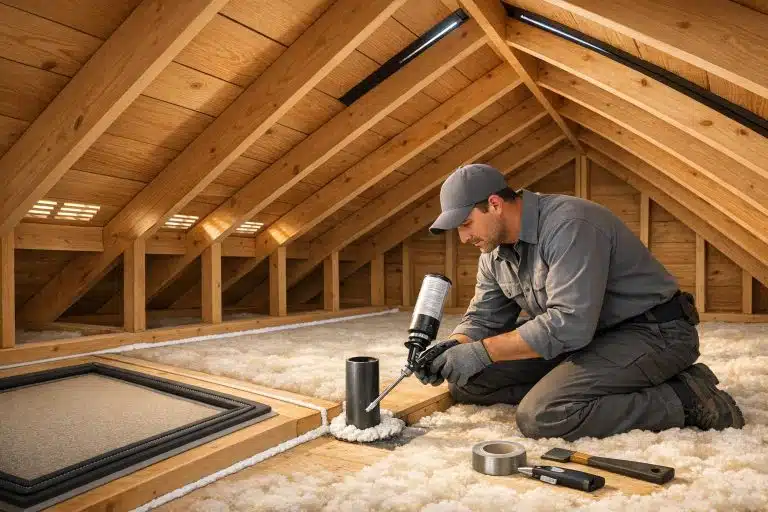

Unpleasant attic odors can spread through ventilation systems and affect the overall comfort of your home. Many homeowners in Hannibal experience attic smells caused by moisture, pests, mold, or poor ventilation. Addressing these issues early helps protect indoor air quality and prevents further structural problems.
Professional pest control and attic inspection services, such as those offered by reliablepestsolutions.com, can help Hannibal residents identify and eliminate the sources of persistent attic odors before they escalate into serious health or property concerns.
Common Causes of Attic Odours in Hannibal Homes
Understanding the root cause is the first step to eliminating unwanted smells in your attic. Several factors commonly contribute to attic odors in Hannibal properties.
Pest Infestations
Rodents, birds, raccoons, and squirrels often enter attics through small openings. Their droppings, urine, and nesting materials create strong, lingering odors.
Moisture and Mold Growth
Humidity and roof leaks allow mold and mildew to grow. These fungi produce musty smells that can quickly spread throughout a Hannibal home.
Dead Animals
Occasionally, pests may die inside attic spaces or wall cavities. Decomposition produces a very strong odor that can persist for weeks if not removed.
Poor Ventilation
Improper airflow traps heat and humidity in the attic. This environment encourages mold growth and unpleasant smells.
Contaminated Insulation
Insulation can absorb urine, droppings, and moisture over time, causing odors that are difficult to eliminate without replacement.
Step-by-Step Guide to Remove Attic Odours
Step 1: Conduct a Thorough Inspection
Begin by carefully inspecting your attic for visible signs of damage or contamination.
Look for:
- Animal droppings or nests
- Damp or stained insulation
- Signs of mold or mildew
- Roof leaks or water stains
- Dead animals
Step 2: Remove Pest Sources
If pests are present, addressing the infestation is critical.
Key actions include:
- Sealing entry points such as vents and roof gaps
- Removing nests and droppings safely
- Setting traps or hiring pest professionals
- Installing protective vent covers
Step 3: Remove Contaminated Materials
Odor often lingers in materials that absorb moisture and waste.
You may need to remove:
- Soiled insulation
- Contaminated cardboard or storage items
- Nesting materials
- Damaged wood or drywall
Step 4: Clean and Sanitize the Area
Once the contaminated materials are removed, the attic should be thoroughly cleaned.
Recommended cleaning steps:
- Disinfect affected surfaces
- Use odor-neutralizing solutions
- Clean wood beams and attic flooring
- Treat mold-affected areas safely
Step 5: Improve Attic Ventilation
Ventilation plays a major role in preventing future attic odors in Hannibal homes.
Consider improvements such as:
- Installing ridge or soffit vents
- Repairing blocked ventilation pathways
- Adding attic fans if necessary
- Ensuring insulation does not block airflow
Step 6: Replace Damaged Insulation
If insulation has absorbed moisture or pest waste, replacing it may be necessary.
New insulation helps the following:
- Improve indoor air quality
- Increase energy efficiency
- Prevent lingering odors.
- Protect the attic from future contamination
Many Hannibal homeowners choose professional attic restoration services to ensure proper installation.
Preventing Future Attic Odours
Preventative maintenance can keep your attic fresh and odor-free.
Helpful prevention tips include:
- Schedule regular attic inspections
- Repair roof leaks immediately
- Keep vents screened and sealed
- Remove clutter that attracts pests
- Monitor humidity levels in the attic
Regular maintenance is particularly important in Hannibal, where seasonal weather changes can create moisture problems.
When to Call Professionals
While minor attic odors may be manageable, severe smells often require professional help.
Consider contacting experts if:
By following this step-by-step approach, homeowners in Hannibal can successfully eliminate attic odors and prevent them from returning. Early inspection, proper cleaning, pest control, and improved ventilation are the key elements for maintaining a healthy and odor-free attic environment.

