
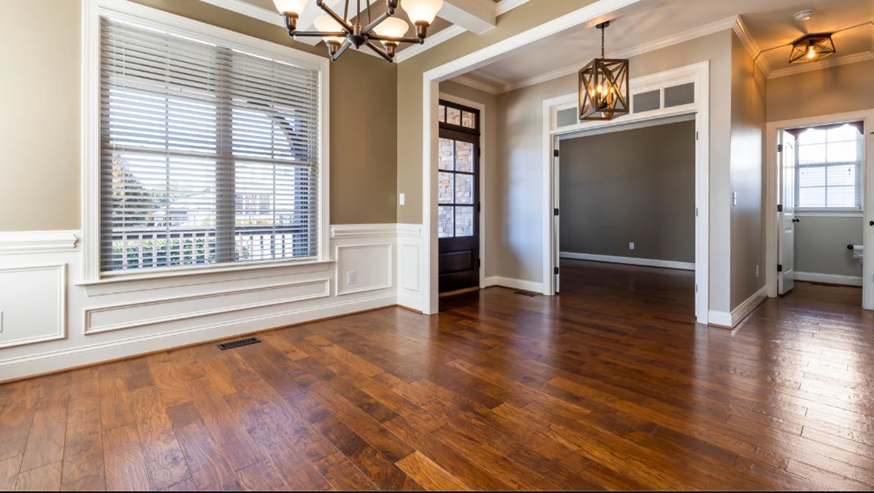

Selecting the right wood species for your parquet wood floor is more than just a matter of appearance. It determines how your floor performs under daily use, how it responds to your home’s environment, and how it complements your overall interior design. With an array of options on the market, understanding the strengths and visual impact of each wood type is essential for making a sound, stylish investment. This article explores key considerations and standout species that can help you align your flooring decision with long-term performance and aesthetic goals.
Why Wood Selection Matters in Parquet Flooring
Parquet flooring relies on precise geometric arrangements of wood blocks to create patterns like herringbone, chevron, and basketweave. The success of this visual rhythm depends heavily on the wood’s grain, hardness, and color consistency. Each species offers its own balance of durability and charm, affecting not only how the floor looks but also how well it holds up over time. Some species can be sanded and refinished more times than others, while certain grains may better hide minor scuffs or irregularities. Parquet flooring is here to stay; the interaction between species and layout is essential for creating a floor that looks as beautiful as it performs.
Popular Wood Species for Parquet Floors
Oak
Oak is the most widely used hardwood for parquet flooring due to its balance of density, grain clarity, and flexibility. Both red and white oak deliver a timeless appearance and are readily available, making them a practical and aesthetically versatile option. Their moderate porosity allows for smooth finishing and subtle stain application, which enhances pattern definition.
Walnut
For those seeking depth and luxury, walnut offers a rich, chocolate-toned base that adds sophistication to any room. While softer than oak, it is still highly suitable for low- to medium-traffic areas, especially when sealed properly. Walnut works exceptionally well in classic and formal interiors.
Maple
Maple’s clean, creamy tone and fine grain create a contemporary, minimalist feel. It’s a harder wood that resists dents and scratches, making it ideal for homes with kids or pets. However, due to its density, it requires expert installation to avoid splitting during the parquet block placement process.
Cherry
Cherry wood delivers warmth and elegance with its deep reddish hues. Over time, it develops a rich patina, which can add depth and character to your floor. While slightly softer, it’s often chosen for decorative applications where visual appeal is a top priority.
Exotic Woods
Species like teak, mahogany, and jatoba offer unique grain structures and enhanced durability. Though typically more expensive, they lend an unmistakable sense of distinction. These are especially popular in high-end projects where design impact outweighs cost.
Consider the Room’s Purpose and Lighting
Choosing a wood species should also align with the room’s function and exposure to natural light. Lighter woods like maple or oak tend to brighten smaller spaces, while darker species like walnut or cherry create a grounded, intimate feel. In moisture-prone rooms, sealed hardwoods or engineered parquet options may perform better. Also, consider how the floor color will interact with your furnishings and wall treatments. Parquet flooring is perfect for creating a warm, inviting home thanks to its rich textures, natural wood tones, and classic patterns that add depth and character to any space.
Conclusion
The wood species you choose for your parquet wood floor shapes the tone, texture, and resilience of your space. Beyond color and grain, it defines how your floor ages, adapts and supports your lifestyle. With the right selection, you’re not just installing flooring—you’re making an architectural statement. Whether you favor the rustic charm of oak, the bold presence of walnut, or the modern sheen of maple, investing in the right wood species ensures your parquet floor remains both practical and timeless.